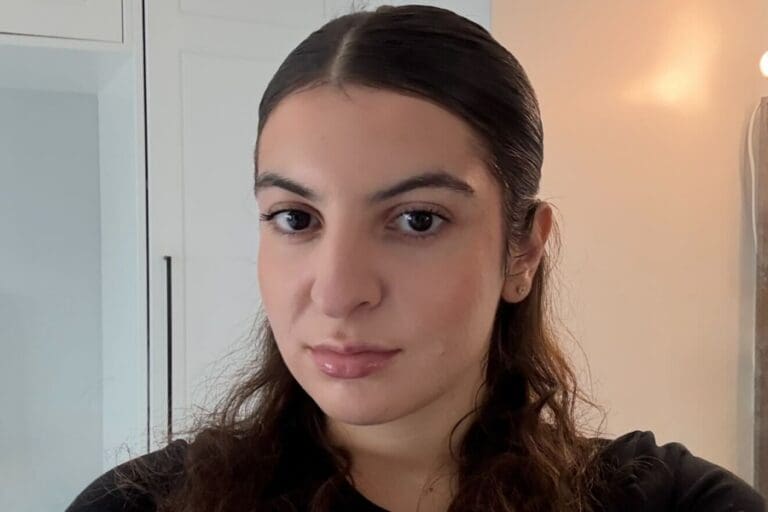


Sarah Law is Senior Vice President of Business & Technology Operations at Veracode, where she operates at the intersection of business strategy, technology performance, and enterprise transformation.
Sarah has more than 20 years’ experience across SaaS, cybersecurity, and global product and technology operations, leading critical functions and helping complex, fast-moving organizations progress and stay aligned.
How did you land your current role? Was it planned?
Not at all, my career hasn’t followed a straight line. Looking back, it’s really been shaped by a series of decisions to step into increasingly complex and ambiguous challenges across technology and business operations.
Early on, I realised I was less interested in staying within one discipline and more interested in understanding how organisations really work, particularly how strategy, technology, people and operations all connect. Over time, taking on those broader challenges helped me build perspective and credibility across the business, which ultimately led me into my current role where I’m translating strategy into execution for Veracode.
I think careers in tech are often less about following a rigid plan and more about being willing to learn, adapt, and grow into opportunities as they emerge.
What are the key roles in your field of work, and why did you choose your current expertise?
In cybersecurity and technology more broadly, there are so many critical specialisms. Whether it’s product, engineering, data, operations or customer success — all of them play an important role.
What fascinated me most was how those teams connect, how the system is designed, and how organisations scale effectively. That’s where I chose to focus my career.
I enjoy solving the kind of problems that sit across teams and disciplines, because that’s ultimately what drives alignment, decision-making, and customer value.
Did you (or do you) have a role model in tech or business in general?
I wouldn’t point to one single role model, but I’ve definitely been influenced by leaders who can navigate complexity without creating unnecessary noise or hierarchy around themselves.
The people I’ve learned the most from are those who build strong, resilient organisations, lead with trust, and stay calm under pressure. They’re able to translate ambitious strategy into practical action while still bringing people with them.
I’ve also been fortunate to work with leaders who gave me room to grow and solve problems independently. That trust had a huge impact on my confidence and development. It taught me that being a great leader doesn’t mean you have to have all the answers, but it does mean you have to strive to create an environment where people can do their best work.
What are you most proud of in your career, so far?
I’m proudest of the things that continue to have an impact long after I’ve moved on from them, whether that’s a system, a way of working, or a team that’s become stronger and more effective over time.
For me, success has never really been about titles. It’s about creating clarity where there was complexity, improving decision-making, and building structures that enable teams to succeed consistently at scale.
What does an average workday look like for you?
One of the things I enjoy most about working in cybersecurity is that no two days are ever the same. The pace of change across technology and the threat landscape, especially since the explosion of AI, means there’s always something new to solve.
A typical day usually involves moving across a mix of strategic and operational initiatives, aligning priorities, unblocking decisions, and ensuring we’re executing in a way that continues to deliver value as the business grows.
A lot of my role is about creating clarity in environments that move quickly.
Are there any specific skills or traits that you notice companies look for when you’re searching for roles in your field?
Technical expertise is obviously important, but increasingly companies are looking for people who can operate across the organisation. In other words, people who can connect the dots across product, engineering, data, and operations in a way that drives clear decisions and sustainable execution.
AI is accelerating the pace of decision-making and change, which makes qualities like judgment and adaptability even more valuable. The people who stand out are often the ones who can simplify complexity, collaborate well across teams, and translate strategy into action even when there isn’t a clear playbook.
Has anyone ever tried to stop you from learning and developing in your professional life, or have you found the tech sector supportive?
I think most people encounter moments in their career where they feel underestimated, challenged or constrained in some way, especially in fast-moving or highly complex environments.
What mattered most to me was staying focused on delivering value and solving difficult problems. Over time, that builds confidence and endurance.
I’ve also been fortunate to work with people who were incredibly supportive and who encouraged me to keep growing. Those environments make a huge difference, especially earlier in your career.
Have you ever faced insecurities and anxieties during your career, and how did you overcome them?
Absolutely. I think anyone working in high-pressure environments experiences moments of uncertainty or self-doubt. What’s helped me most is focusing less on perfection and more on progress. When you stay grounded in the problem you’re trying to solve and the impact you’re trying to make, it becomes easier to move forward even when things feel uncertain.
I’ve also learned that confidence doesn’t come from always feeling ready. It comes from repeatedly working through challenges you once thought were beyond you.
Entering the world of work can be daunting. Do you have any words of advice for anyone feeling overwhelmed?
It can definitely feel overwhelming at the beginning, especially because there’s often pressure to have everything figured out immediately.
My advice would be to focus less on having the perfect long-term plan and more on learning how to solve problems, work with people, and stay adaptable. Small wins matter more than people realise early in their careers. Confidence tends to grow through experience, not before it. So, give yourself permission to learn as you go.
What advice would you give other women wanting to reach their career goals in technology?
Be intentional about stepping into opportunities that challenge you, even when they feel uncomfortable. Growth often comes from operating slightly outside your comfort zone.
I’d also encourage women to focus their time on meaningful work, and initiatives both within and outside of their role. Over time, this will deliver value in different forms and build professional credibility.
And finally, remember that careers are developed over years—endurance matters far more than any single moment. Staying consistent, resilient and curious will help you more in the long term than trying to achieve everything immediately.