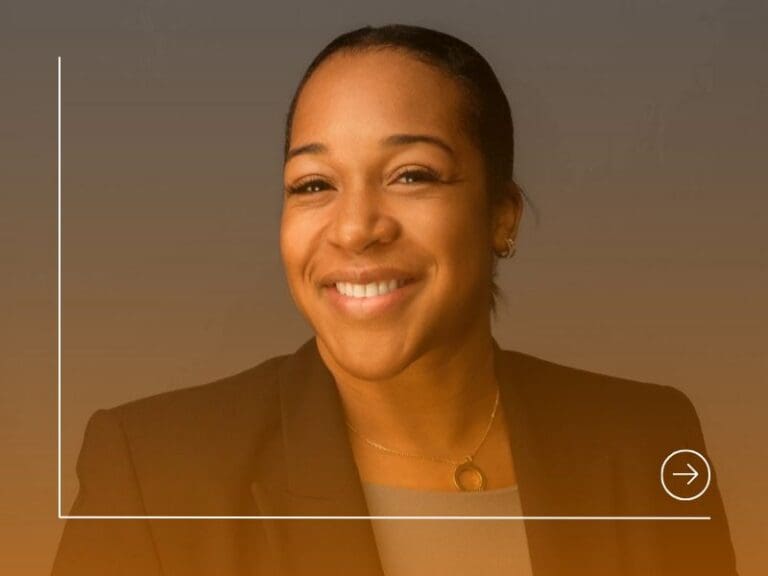

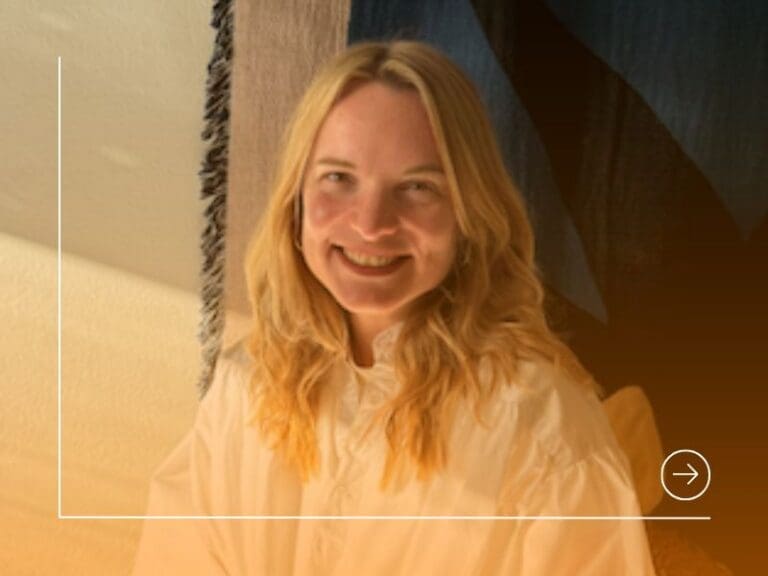
Nicole has led content and product design at companies including Spotify, DoorDash, Miro, and the Chan Zuckerberg Initiative, building and scaling design practices, teams, and strategy.
Her experience spans UX, content strategy, AI conversation design, and design leadership, with a focus on combining high-quality user experiences with strong systems thinking.
How did you land your current role? Was it planned?
I originally joined Pleo after being headhunted for a Director of Content Design role. At the time, the role wasn’t focused on AI or agentic experiences at all – it was about building and scaling content design across the organisation. But as Pleo’s business direction evolved, there was a growing focus on AI and how it could reshape both workflows and product experiences.
I’ve always been excited by emerging technology, and AI gave me the same feeling I had when I first discovered the internet and started building websites as a teenager. There’s still so much experimentation happening in AI right now, and that’s what makes it exciting – everyone is learning by doing.
Because of my background in content design and UX, working with natural language felt like a natural fit for AI. I started proactively getting involved in agentic and AI-focused projects, collaborating closely with engineers and showing results quickly. Over time, that evolved into leading design work focused on AI and agentic experiences at Pleo.
So no – it definitely wasn’t planned. But I think that’s often how the best opportunities happen in tech: you stay curious, get involved early, and grow into the space as it evolves.
What are the key roles in your field of work, and why did you choose your current expertise?
My background is actually quite unconventional. I originally studied material engineering, but realised pretty quickly that while I loved technology, I was much more drawn to creativity, writing and communication. I later moved into business school and started specialising in strategy, marketing and communication.
I began working in tech during my studies as a copywriter and content marketer, which eventually led me into UX writing and content design – before those roles were even widely recognised. I realised I was already doing the work; it just didn’t have the same terminology yet.
What I love about content design and AI experience design is that it combines technology with creativity. You’re solving complex problems, but through language, systems and human behaviour. And now, with AI and agentic products becoming more prominent, language itself is becoming part of the interface.
At Pleo, a huge part of our work is thinking about how AI communicates clearly and transparently with users – not pretending to be human, but helping people understand what the system is doing and why.
Did you (or do you) have a role model in tech or business in general?
Not really. I’m cautious about “thought leaders,” especially in AI and design, because the industry is changing so quickly and nobody truly has all the answers yet.
I think it’s more important to stay curious, reflective and open-minded than to follow one person’s framework too closely.
What are you most proud of in your career, so far?
I’m most proud of staying hands-on as I’ve moved into leadership roles. I never wanted to become the kind of leader who only delegates work and critiques from a distance.
I still love being directly involved in the creative and problem-solving process – whether that’s prototyping, designing workflows, experimenting with AI experiences or jamming on ideas with my team. That energy and curiosity is something I try to bring into leadership as well.
The thing I’m proudest of is that many people I’ve worked with previously want to work with me again. To me, that’s one of the biggest indicators that you’re building a healthy, motivating environment.
What does an average work day look like for you?
My days start early because I have two young kids. After daycare drop-off, I usually go for a run – sometimes even taking informal team check-ins while I’m moving.
I try to do focused creative work in the mornings, like prototyping or designing AI experiences, before meetings take over the day.
A lot of my role involves collaborating across teams – from legal and marketing to product and engineering – especially around how AI behaves, communicates and builds trust with users.
Are there any specific skills or traits that you notice companies look for when you’re searching for roles in your field?
The biggest thing I look for is curiosity and adaptability. Tech changes constantly, and with AI, the pace of change is even faster. The people who thrive are usually the ones who are excited to keep learning and evolving.
I strongly believe designers should be T-shaped generalists – people with depth in one area, but curiosity across many others. You don’t need to already know everything, but you need to show that you’re willing to explore new skills and new ways of working.
I also think proactive problem-solving is incredibly important right now. In AI especially, there often isn’t a clear roadmap or established process.
The people who succeed tend to be the ones who lean into that uncertainty, experiment, communicate clearly and help shape the direction rather than waiting for perfect instructions.
Has anyone ever tried to stop you from learning and developing in your professional life, or have you found the tech sector supportive?
I’ve experienced both supportive and challenging moments throughout my career, but overall I think every experience has helped shape how I approach leadership and growth.
Earlier in my career, I sometimes felt hesitant about pursuing leadership roles, especially in a fast-moving and traditionally male-dominated industry. But those moments ultimately motivated me to push myself further and trust my instincts more.
They also reinforced how important it is to have more diverse perspectives and leadership styles represented in tech and AI.
Have you ever faced insecurities and anxieties during your career, and how did you overcome them?
Definitely. Earlier in my career I struggled with imposter syndrome and constantly questioned whether I was good enough.
What helped was saying yes to opportunities before I felt fully ready. I realised confidence comes from figuring things out as you go.
Entering the world of work can be daunting. Do you have any words of advice for anyone feeling overwhelmed?
I think the biggest thing is learning to communicate your overwhelm – first to yourself, and then to others if possible.
Right now, tech is changing rapidly because of AI and uncertainty is exhausting. Setting boundaries, protecting focus time and finding ways of working that suit you are all really important.
Most importantly, remember this phase won’t last forever. The industry is evolving quickly, but things will settle over time.
What advice would you give other women wanting to reach their career goals in technology?
You are probably far more qualified than you think you are.
One thing I’ve noticed while hiring is that women often wait until they feel 100% ready before applying for roles, while men apply much earlier. My advice is: aim higher and back yourself more.
The industry also needs more women shaping the future of AI and technology. Diverse perspectives matter – especially when we’re building systems that will impact how people work and live.
And finally, don’t feel like you need to hide your personality to succeed. Technology needs more humanity, especially in the age of AI.