
What are the skills you need to forge a successful career in the technology industry?

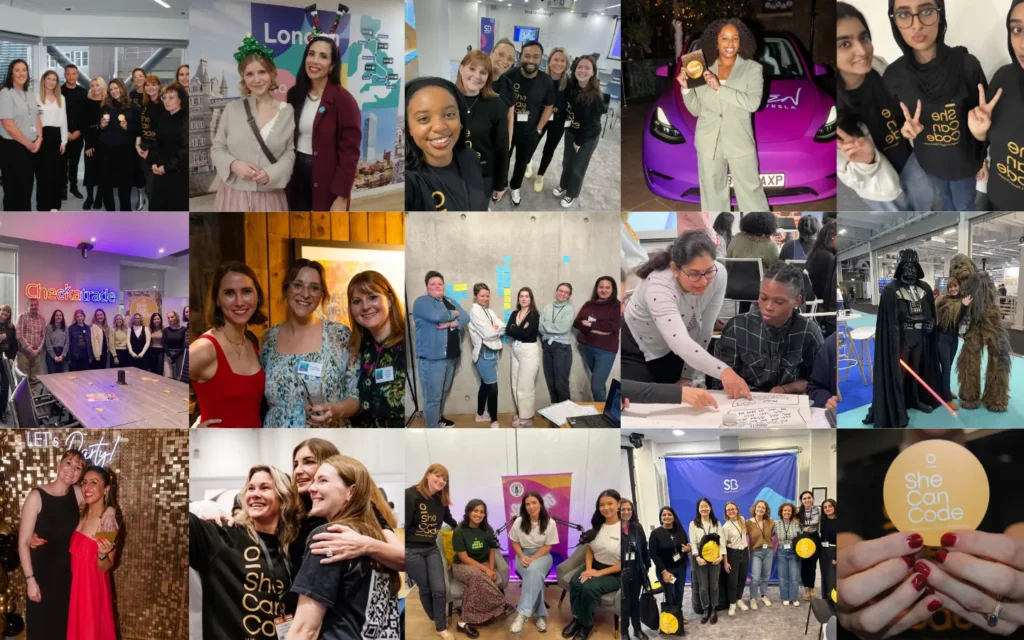
DeNovo Solutions company meeting and headshots at Twenty Ten Clubhouse, Celtic Manor resort, Newport, Wales
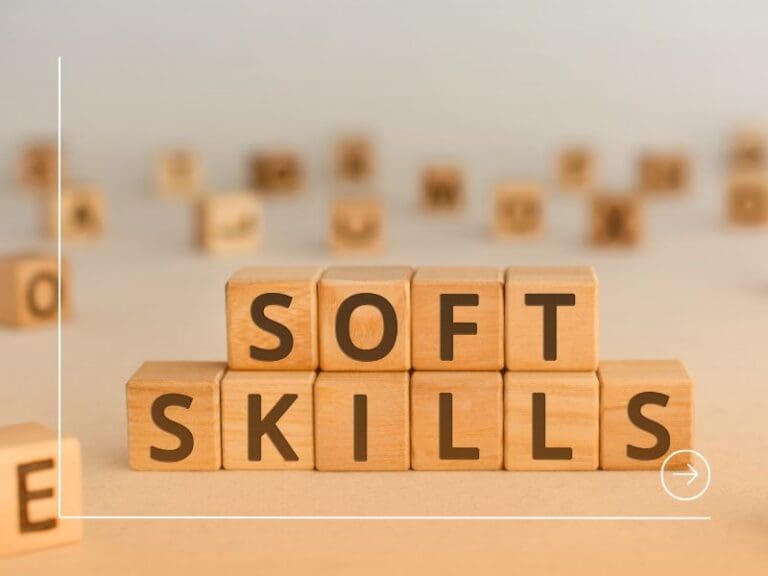
AI literacy, data understanding and subject knowledge, yes. But what about communication, empathy, judgement, influence, and relationship building?
In a world where tech tools are becoming more important, smarter and more abundant, it’s easy to forget about these so-called ‘soft’ skills. But they arguably matter more, not less, as we progress through the digital age.
The human touch
Intelligent as AI may be, it has not yet – and may never – develop the capabilities which make us human. It cannot feel empathy, it often fails to contextualise ideas, it may miss the nuances which enable us to make difficult decisions, and it certainly can’t build trust and respect in the way we do.
So, while we now delegate routine tasks to technology, its limitations highlight exactly why people with the right ‘soft’ skills are so crucial in today’s workforce. In fact, the Global AI Jobs Barometer published by PwC in June 2026 reports new tasks associated with AI-exposed roles are 2.5 times more likely to require capabilities like empathy, judgement and creativity.
Not an afterthought
With that same research also finding junior staff members were now seven times more likely to need traditionally ‘senior’ skills like leadership and strategic thinking – it’s clear that the tasks taken over by AI have left room for these more complex attributes to shine earlier in our careers.
And it’s also evident that these skills should never become an afterthought. If we work on the basis that viable candidates for a tech role will have the right technical skills to match the job description, then it is these human elements which set us apart from one another. In fact, the World Economic Forum’s Future of Jobs Report found 67% of employers thought resilience, flexibility and agility were among the most important core workforce skills. In addition, 61% prioritised their teams showing leadership and social influence, and 50% were seeking empathy and active listening.
Don’t dim your light
In a male-dominated world, where female IT specialists represent just 22% of the sector (according to BCS), it can be tempting to conceal or downplay skills that are stereotypically more associated with women. Ironically, women may feel under pressure to showcase their technical skills, but it is their human skills which are more likely to propel them up the ladder into leadership roles.
We might be slowly getting rid of these gender misconceptions – but it’s taking longer for us to balance the scales when it comes to representation in the tech industry. For now, it’s important that everyone feels confident recognising all of their abilities, whether ‘soft’ or technical, and showcasing their entire skillset throughout their career.
Because it is not the building of a system, the implementation of an application, or the coding of a programme which makes us stand out – it’s the ability to explain it, secure buy-in, collaborate with other teams, deal with hurdles, and support others through a project. In this way, communication is not a ‘soft’ skill. It’s the cornerstone of success.
The commercial advantage
And that brings us back to one of the reasons why employers are seeking these human skills when they’re making new hires or promoting team members. They’re so valuable because they’re not replicable by AI. We can get an answer to any question in the world within seconds – but digital tools can’t tell us how a client is likely to react to a change in the project specification, how to motivate a colleague who’s feeling stressed, or what line of reasoning will make our board members sit up and listen to what we have to say.
It’s our judgement, our critical thinking, and our gut instincts which we can rely on in these scenarios. Generating code, analysing information and identifying patterns are all great. But if we can’t make sense of the answers produced by AI, if we can’t see a potential flaw in the plan which has everything to do with people and nothing to do with programmes, and if we can’t make a sensible call about the way forward having worked every scenario through in our minds…then we’d never get a project successfully launched. And that’s how businesses make money: not by having the information, but by translating it into an effective plan, securing the backing and trust of everyone involved, overcoming the challenges on the way, receiving feedback but also sensing reactions from non-verbal cues too, and making the right judgement calls.
Nothing soft about them
By all means, keep learning about AI, keep developing your technical expertise, keep exploring new technology as it emerges. But never lose sight of the human skills which will set you apart from the people (and machines) who are also doing exactly the same within the tech world. Because these skills are not ‘soft’ – they are highly sought after, they are necessary for business and individual success, and they are just as vital (if not more) in the age of AI.
Until machines become innately empathetic, resilient and intuitive, what the tech world really needs is all of the wonderful capabilities that make you human.