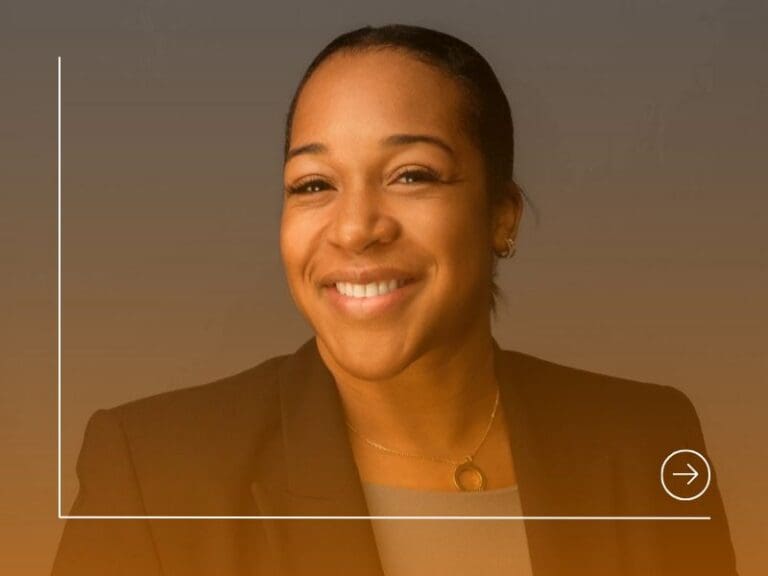

Sibyl Chen has been the General Manager of Berkeley SkyDeck since early 2019.
She originally joined as an advisor, and through working closely with founders and students at the earliest stages of their journeys, Sibyl realised how deeply she believed in SkyDeck’s mission. Supporting early stage founders as they navigate the uncertainty of building something from the ground up felt meaningful in a very personal way, and that conviction ultimately led her to join SkyDeck full-time.
Before SkyDeck, Sibyl’s career began in Hollywood’s independent film industry, where she worked at two of the largest talent agencies, WME and CAA. She started as an assistant at WME and when she was at CAA, Sibyl joined the Film Finance Group, where her focus was on financing and distributing independent films. Later Sibyl went on to run both a film production company that was also focused on creating casual mobile games. Those experiences shaped how she thinks about talent, risk, and what it takes to bring ambitious ideas into the world.
Sibyl eventually decided to become a startup founder herself, building an artisanal gourmet food marketplace, and later joined Matterport, where she helped build out the Media and Entertainment division. Those experiences gave her a deep appreciation for the resilience required to go from zero to one. Across every chapter of her career, the consistent thread has been working with driven builders and helping strong ideas find the support they need to scale.
How did you land your current role? Was it planned?
After my time at Matterport, I took a deliberate pause to reflect on what I wanted to do next. There are very few moments in life when you can truly step back, breathe, and think clearly about where your energy belongs. I didn’t want to rush into the next gig – I wanted to be intentional.
When I looked back at my time in Hollywood, I realized what I loved most wasn’t just the industry itself – it was helping incredibly talented people get their film projects financed and help usher them into the world. In tech, I saw the equivalent in venture capital, which was finding the needle in the haystack and helping founders with strong ideas get the support they need to scale.
I initially thought that path would lead directly into VC. Along the way, though, I met a friend who was a SkyDeck advisor. He encouraged me to spend time at an accelerator if what I truly cared about was working alongside founders every day. Through that introduction, I met Chon Tang and was invited into the SkyDeck network. I began as an advisor and immediately felt aligned with the energy, the founders, and the mission.
Over time, that alignment turned into commitment. Joining SkyDeck full-time wasn’t something I had mapped out in advance, but it unfolded naturally. I’ve found that when you follow the work that genuinely energizes you, the right opportunities tend to reveal themselves.
Why did you choose your current expertise?
As General Manager and Head of Program at SkyDeck, my role is ultimately to champion founders. That means advocating for them, anticipating their needs before they fully articulate them, and creating the conditions that help them navigate critical inflection points in their growth.
At its core, my work is about being deeply attuned to founders – understanding where they are in their journey, what obstacles are slowing them down, and what support will help them move forward with greater speed and clarity.
A significant part of what I do is connect people. I often joke that I’m a professional matchmaker, because bringing together the right experts, operators, investors, and advisors at the right moment can dramatically accelerate momentum. I genuinely enjoy what happens when sharp, ambitious minds come together.
That instinct to build connections has always been part of my DNA, both professionally and personally. My path here wasn’t perfectly linear. I followed the work that energized me most, such as building community, supporting founders, and creating an environment I’m excited to show up to every day. Nearly eight years into SkyDeck, that energy is still very much there.
Did you (or do you) have a role model in tech or business in general?
One of the leaders I deeply respect is Dario Amodei, the CEO of Anthropic.
He has spoken about what he calls a “race to the top” in AI – the idea that leadership in this space shouldn’t be defined solely by capability or speed, but by safety, security, and ethical responsibility. That framing resonates with me.
What I appreciate most is his belief that it doesn’t ultimately matter who “wins” if the standard itself is elevated. When a major player commits to operating at a higher bar, it creates constructive pressure for others to do the same. Over time, that dynamic can shape the trajectory of an entire industry.
Technology, particularly at the frontier, is often driven by competition and return on investment. But the most consequential innovations require leaders who are thinking beyond short-term gains and considering long-term societal impact.
Thoughtfulness and a genuine sense of responsibility to the broader public are qualities I admire deeply, and qualities I believe will define the most enduring companies in the years ahead.
What are you most proud of in your career, so far?
I’m most proud of what I’ve helped build at SkyDeck. When I joined, I was the fourth employee, and we were running the accelerator with a very lean team that included 13 undergraduate interns each semester. Despite the size of the team, we were operating at a level of scale and ambition that required real discipline, and during those early years I helped establish SkyDeck’s commitment to rigor and growth.
From the beginning, I saw the potential for SkyDeck to become a truly world-class accelerator. One of the things I’ve focused on is bringing operational rigor to everything we do – being intentional about systems, standards, and execution so that founders receive consistent, high-quality support at every stage.
I’m also proud of how many of our initiatives have grown alongside the organization. The SkyDeck Intern Fair, for example, now brings together hundreds of Berkeley students and startup teams each year. Watching that ecosystem expand, and seeing the real opportunities it creates for both founders and students, has been incredibly meaningful.
More than anything, I’m proud that I’ve been able to lean into my natural strengths to help build something enduring that I truly believe in. We’ve put structure and thoughtfulness into our programs, and the work still energizes me. Building something with long-term impact, alongside such talented founders, students, and team members, continues to feel like a privilege.
What does an average workday look like for you?
There isn’t really an “average” day for me, because no two days look exactly the same. Broadly speaking, though, my time tends to fall into three main areas.
First, I spend a meaningful amount of time thinking about how to take SkyDeck to the next level as a globally recognized accelerator. That’s the strategic layer of the role – evaluating our model, strengthening our network, refining our programming, and constantly asking where we need to evolve to remain world-class. I try to think both about where we are today and where we need to be five years from now.
Second, I’m very much in the trenches with founders. I meet with them regularly to understand what they’re navigating – whether that’s fundraising, hiring, product-market fit, or team dynamics – and I try to offer guidance that is practical and candid. Staying close to founders keeps me grounded in what actually matters and ensures our strategy aligns with real needs.
The third piece is staying current. Technology moves quickly, and it’s surprisingly easy to become dated in this industry. I make a conscious effort to keep my antenna up by following emerging trends, shifts in capital markets, regulatory conversations, and technical breakthroughs. I believe you can only be as helpful as you are informed.
Continuous learning is a real part of my job. I want the advice I give, and the direction we set, to be thoughtful, relevant, and forward-looking.
What do you look for when selecting startups for your accelerator program?
Because SkyDeck works with very early-stage companies, it’s critical to look at the founders closely.
We look for founders with an exceptional level of hustle and grit – people who can think creatively, adapt quickly, and keep moving forward even when the path isn’t obvious. Early-stage startups are inherently challenging, and resilience is non-negotiable. We want founders who can push through conditions that would stop most people.
Conviction is also critical. The strongest founders have a deep belief that what they’re building truly matters, and that belief sustains them through rejection, uncertainty, and inevitable setbacks. You can feel when someone is doing this work because they can’t imagine doing anything else.
At the same time, we look for signals that the company is building something genuinely differentiated, ideally a product that is meaningfully stronger than existing solutions and has the potential to stand out as a breakout opportunity in the eyes of top-tier Silicon Valley investors.
Has anyone ever tried to stop you from learning and developing in your professional life, or have you found the tech sector supportive?
I’ve worked across several industries – Hollywood, gaming, and tech – that historically have not always been the most welcoming to women. In many of those environments, senior leadership was overwhelmingly male.
That said, no one explicitly tried to prevent me from learning or developing. I’ve been fortunate to have strong mentors and champions throughout my career, people who opened doors, offered guidance, and encouraged me to step forward. Mentorship makes an enormous difference, especially when representation at the top is limited.
I’ve also found the tech sector to be incredibly supportive in many ways, particularly for those who are proactive about building networks and seeking out community. At the same time, there is still meaningful work to be done around representation. In emerging areas like AI, for example, leadership remains concentrated within a relatively narrow demographic. As these technologies shape the future, it’s worth being thoughtful about who is building them and whose perspectives are included.
I remain optimistic. The industry has evolved over time, and I believe continued intentional mentorship, sponsorship, and access to opportunity will be critical to ensuring that innovation reflects the diversity of the communities it ultimately serves.
Have you ever faced insecurities and anxieties during your career, and how did you overcome them?
Early in my career, particularly in Hollywood, I became very aware of how I was perceived. As an Asian woman, I was told (with good intentions) that I was a “double minority” and would likely need to work significantly harder to earn credibility in an industry dominated by white men.
At the time, I didn’t experience that insecurity so much as clarity. I understood what they were trying to convey, and there was truth in it. That awareness shaped how I approached my work and how I thought about professional obstacles.
For me, overcoming challenges has largely come down to relentless hard work and taking real pride in doing things well. I’ve always believed that if you commit fully to what you’re doing, and refuse to cut corners, the quality of your work will eventually speak for itself.
In industries like Hollywood, very few people outside of it truly understand the intensity and demands of working at a top talent agency. I tried to learn everything I could, raise my hand for difficult problems, and demonstrate unwavering commitment.
Passion and consistency are difficult to fake. Over time, people recognize when you’re deeply invested in your work. That credibility becomes a foundation – one that can carry you through moments of doubt and uncertainty.
Entering the world of work can be daunting. Do you have any words of advice for anyone feeling overwhelmed?
Entering the workforce can feel overwhelming, especially right now. As SkyDeck’s General Manager, I regularly see incredibly capable undergraduates and MBA students from a top public university struggling to find their footing. It can be discouraging, even when you’ve done everything “right.”
One piece of advice that may sound a little untraditional is to focus less on finding the perfect first role and more on finding a mentor or champion who genuinely believes in you.
Throughout my time at SkyDeck, and earlier in my career, I’ve seen how powerful it is to have someone a few miles ahead of you in the race. Someone who can help you spot pitfalls, navigate uncertainty, and occasionally open a door you didn’t even know was there. This isn’t about shortcuts or favoritism. It’s about learning from people you admire, understanding how they think, and allowing them to guide you as you build confidence and momentum.
Careers are rarely linear. If you stay curious, work hard, and intentionally surround yourself with people whose work and values you respect, opportunities tend to compound over time, often in ways you couldn’t have predicted at the start.
What advice would you give other women wanting to reach their career goals in technology?
One thing I’ve observed over the years (particularly after interviewing and working with many Berkeley undergraduates and interns) is that confidence often presents differently. Men frequently come to the table with a great deal of conviction, while women tend to be more measured and self-critical.
I share that not as a critique, but as an observation shaped by experience, including my own. Early in my career, I had the capability, but I didn’t always bring my full voice into the room. For many women, confidence develops later, even when the competence has been there all along.
My advice is to be intentional about pushing past that hesitation. Put yourself forward before you feel completely ready. Speak up, take risks, and allow yourself to be uncomfortable at times. Growth often requires all three.
Part of this journey involves unlearning societal conditioning that can subtly discourage women from taking up space or fully backing themselves. Confidence isn’t something you wait for; it’s something you build through repeated action.
The women who ultimately thrive are those who find their own source of conviction, take ownership of their voice, and give themselves the same room to experiment, stretch, and occasionally fail that others often take for granted.