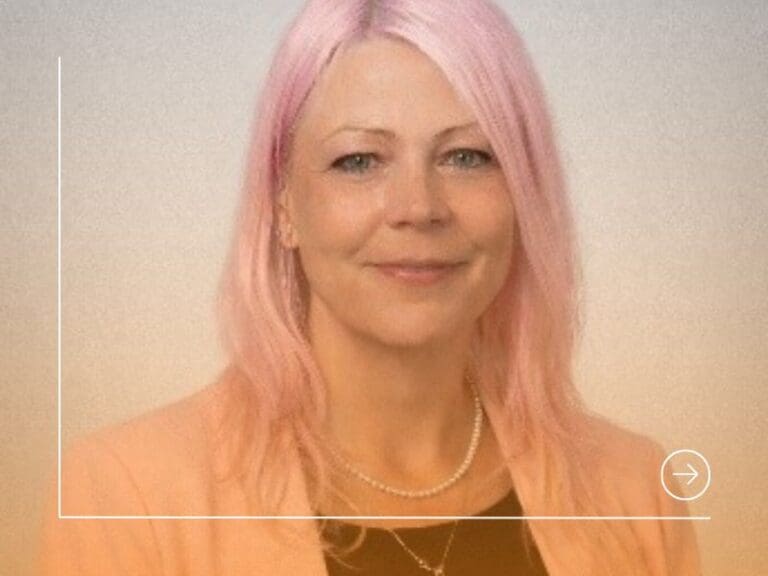

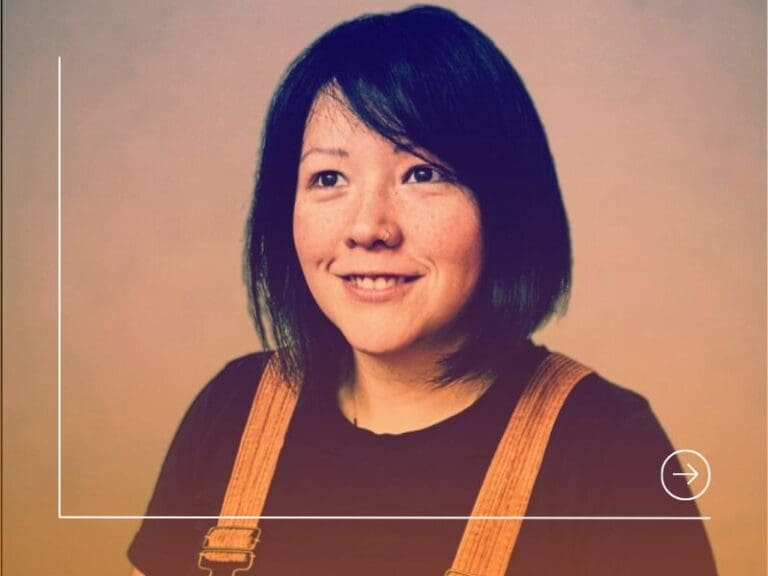
Pri Nagashima is the VP of Data, Analytics and AI at Pleo.
Over the course of her self-described “squiggly” career, Pri has worked in data, engineering and product roles worldwide. While working at Siemens, Pri was made aware of the power and potential of data and how it can be positioned as a product – both internally for the business and externally for the end user. Today, Pri is responsible for Pleo’s data practice and ensuring that the company’s products and solutions help the company, and its customers, make the most of the data they have.
How did you land your current role? Was it planned?
Before joining Pleo, I was leading a large team at a B2C company (DICE), which I loved. My role covered Product, Engineering, IT, Data, and several other functions – so by design, it pulled me away from data and AI/ML, which had been my bread and butter for years. I was already a Pleo customer and loved the product, so when I saw this role and the chance to focus on Data & AI again, I thought I’d give it a shot!
What are the key roles in your field of work, and why did you choose your current expertise?
My career path has been a little unconventional. I started as a full-stack engineer, transitioned into product management, discovered data and have worked as a hybrid ever since. Pivoting between these areas has been incredibly rewarding, but data and AI/ML became my true passion in 2011 when I worked on a Natural Language Processing search project focused on data privacy. In 2014 at Siemens I led projects in Connected & Autonomous Vehicles, which was fascinating and confirmed I needed to keep building my AI expertise. I didn’t exactly “choose” this path in a planned way, but I’m grateful for how it unfolded. I’ve met brilliant people, worked at fantastic companies and gained a lot of experience over the last 18 years for which I am grateful for.
Did you (or do you) have a role model in tech or business in general?
So many! On business: my parents. My late father was an entrepreneur with big ideas and had his own service business, whereas my mum didn’t get a chance to finish high school until much later in life as she had to take care of her siblings – but that didn’t stop her from running (and later selling) two successful businesses. They worked hard and still had time to dedicate to our family. I wouldn’t be here had it not been for them.
As for tech, I grew up looking up to Marissa Mayer in her Google times. But more recently I have enjoyed following Melanie Perkins (CEO of Canva) and her incredible story of resilience & vision, Peng Lei (one of the founders of Alibaba Group) and – of course – Dr. Fei-Fei Li who truly changed the world of AI research in many ways, but especially with ImageNet.
What are you most proud of in your career, so far?
Having the opportunity to help people learn, grow, have a better life. I am fortunate to have examples of incredible people I worked with that looked for me as their mentor and have achieved a lot since – their own credit, not mine! But truth be told: not having had the experienced I had or not having been in some of the roles I was in, it’d have been much harder to make room for people to grow.
I also take silent pride in a lot of the work I’ve done, products and tech that I and my teams have built – whether in transportation, music, media or fintech. It doesn’t quite feel real that I can walk outside in a street in London and see a sensor that one of my teams designed back 15 years ago or go to a concert with a ticket that I bought from an app that I was leading.
What does an average work day look like for you?
My days are pretty varied, which I love! I usually start by catching up on messages and emails, then dive into meetings – whether it’s syncing with my team, collaborating with other departments or checking in on ongoing projects. A big part of my role is strategic planning and problem-solving, so I spend time reviewing data, analysing performance metrics and thinking about how we can improve our AI and data capabilities.
I also dedicate time to mentoring and supporting my team members, which is one of my favourite parts of the job. Throughout the day, I’ll jump between technical discussions about our data infrastructure or AI models, product conversations, and broader business strategy. I try to block out some focus time for deep work, but honestly, no two days are exactly the same – and that’s what keeps it interesting.
Are there any specific skills or traits that you notice companies look for when you’re searching for roles in your field?
In my experience, companies in the data and AI space typically look for a combination of technical depth and business acumen. On the technical side, strong foundations in data engineering, analytics, machine learning, and increasingly, generative AI are highly valued. But it’s not just about knowing the tech – it’s about understanding how to apply it to solve real business problems.
They also look for strategic thinking – the ability to see the bigger picture, connect data initiatives to company goals, and communicate complex technical concepts to non-technical stakeholders. Leadership and people skills are crucial, especially as you move into more senior roles. Being able to build, mentor, and inspire teams is just as important as technical expertise.
Adaptability is another big one. The field moves incredibly fast, so companies want people who are curious, eager to learn, and comfortable with change. Finally, I’ve noticed a growing emphasis on ethical AI and responsible data practices – understanding the implications of the technology we build and ensuring it’s used responsibly is becoming increasingly important.
Has anyone ever tried to stop you from learning and developing in your professional life, or have you found the tech sector supportive?
I’ve been fortunate to work with many supportive people throughout my career, but I’d be lying if I said I never faced challenges. Early on, there were moments where I felt underestimated or where opportunities weren’t as readily available to me as they were to others. Sometimes it was subtle – being talked over in meetings, being asked to take the notes or get the coffee because I was the only woman in the room, having my ideas credited to someone else or being passed over for certain projects without clear explanation.
What helped me push through was finding allies and mentors who genuinely believed in my potential and created space for me to grow. I also learned to advocate for myself more assertively – to speak up, ask for the opportunities I wanted and not wait for permission to learn something new. If a door wasn’t open, I’d find a window, whether that meant taking on side projects, teaching myself new skills, or seeking out communities outside my immediate workplace.
Overall, I’ve found the tech sector to be more supportive than not, especially in recent years as there’s been more awareness around diversity and inclusion. But support isn’t universal, and it often depends on the specific company culture and the people you work with. The key is to keep learning, stay resilient, and surround yourself with people who champion your growth.
Have you ever faced insecurities and anxieties during your career, and how did you overcome them?
Absolutely. I think everyone experiences insecurities and self-doubt at various points in their career – I certainly have. There were times when I questioned whether I belonged in certain rooms, whether I was knowledgeable enough, strategic enough or experienced enough… even if I knew and had shown all of that before. Imposter syndrome is real, and it doesn’t discriminate based on your actual accomplishments.
What helped me overcome these feelings was reframing how I thought about them. Instead of seeing anxiety as a sign that I wasn’t capable, I started viewing it as a sign that I was challenging myself and growing. If you’re not a little uncomfortable, you’re probably not pushing your boundaries enough.
I also learned to focus on progress rather than perfection. Early in my career, I’d get caught up in comparing myself to others or worrying about making mistakes. Over time, I realised that everyone’s path is different, and mistakes are actually some of the best learning opportunities. I started keeping track of my wins – even small ones – which helped me build confidence over time.
Talking to others was crucial too. Opening up to trusted colleagues, mentors or friends about my insecurities often revealed that they’d felt the same way. There’s something incredibly reassuring about knowing you’re not alone in your struggles. Building a support network of people who believe in you can make all the difference.
Finally, I became more intentional about self-care and setting boundaries. Burnout amplifies anxiety, so making time for rest, hobbies, and the people I care about helped me maintain perspective and resilience.
Entering the world of work can be daunting. Do you have any words of advice for anyone feeling overwhelmed?
It’s completely normal to feel overwhelmed when starting your career. Here’s my advice:
- Start small and focus on learning. You don’t need to know everything on day one. Ask questions, observe, and absorb. Everyone was new once.
- Build relationships early. Your colleagues are your greatest resource. Get to know people and don’t be afraid to ask for guidance.
- Embrace mistakes. You will make them – we all do. What matters is owning them, learning from them, and moving forward.
- Set boundaries and prioritise your wellbeing. Work is important, but so are you. Find a sustainable rhythm and make time for what recharges you.
- Celebrate small wins. Recognise the small steps – they add up over time.
Finally, remember that everyone’s career path is unique. Don’t compare your beginning to someone else’s middle. Trust your journey, stay curious, and be kind to yourself.
What advice would you give other women wanting to reach their career goals in tech?
My biggest advice is to be intentional about your career and don’t be afraid to define success on your own terms. The tech industry can sometimes feel like there’s only one “right” path, but that’s not true. Whether you want to be deeply technical, move into leadership, become a specialist in a niche area, or blend multiple disciplines like I have – all of these are valid and valuable. And maybe what you want to do right now isn’t what you wanted to do before and that’s also fine. Don’t let anyone tell you otherwise.
Also, use your voice. Don’t wait for the perfect moment or until you feel 100% ready. Share your ideas, advocate for yourself, and take up space. The right people and companies will value your contributions and perspective. And remember, you don’t have to have it all figured out from the start – some of the best career moves happen when you’re open to exploring and taking calculated risks.