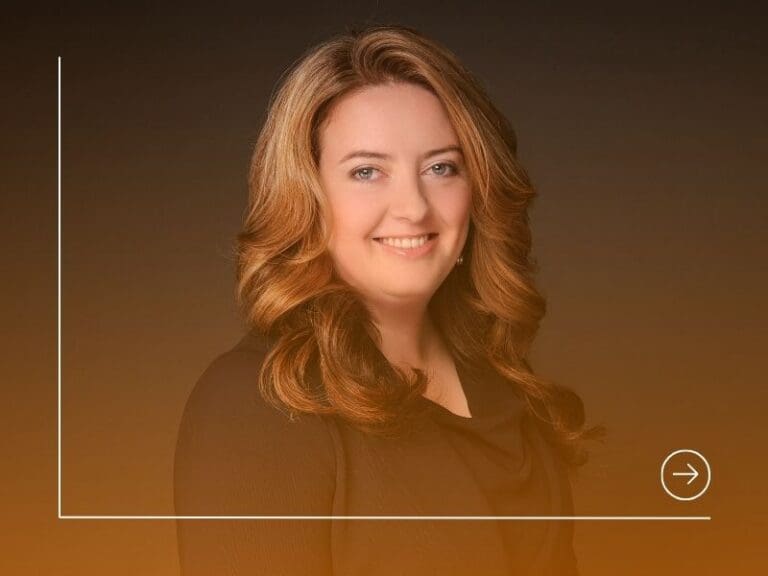


Isabelle Perie serves as channel and partnerships director at Cycloid.
An engineer by training, Isabelle has held roles spanning pre-sales, project management and partnerships leadership, combining technical expertise with commercial channel experience. She previously held partnerships roles at HP, ServiceNow and Okta and now leads efforts to organise and grow Cycloid’s partner network across system integrators, global systems integrators, managed service providers, technical partners and cloud partners.
How did you land your current role? Was it planned?
It wasn’t part of a long-term plan, but it wasn’t random either. The role at Cycloid spoke to me because it felt like a blank page, with many open possibilities to make it my own, and that is something I have always loved in a role.
I had built channel organisations and partnerships in previous roles, so the challenge itself felt familiar. What was new was the world of platform engineering. I knew cloud, AI and other areas of technology, but platform engineering was a new space for me, so I had to learn quickly, and I think that was part of what attracted me to the role. I like technology, I like learning, and I like roles where there is a real opportunity to create something from the ground up.
Cycloid’s value proposition in bridging the gap between development, operations, and the wider IT organisation was also important. I felt there was something strong to build around, and that made the opportunity exciting.
What are the key roles in your field of work, and why did you choose your current expertise?
The job description for a channel and partnerships role is always a very broad one. The role sits between sales, business development, customer management, strategy and the more technical side of things. You are building relationships, identifying where there is a strong fit, working with existing partners, creating new opportunities and making sure everyone internally is aligned.
I chose this area because I like building relationships that create real business value. A good partnership is about trust, alignment and mutual interest. You need to understand what matters to the partner, what matters to your company, and where both sides can genuinely help each other grow.
Did you have a role model in tech or business in general?
My role models have always been leaders who manage to stay ambitious while remaining deeply honest and true to themselves. For me, that mix of ambition and integrity is very important.
I have worked with managers and leaders in both large and small companies who have shown me that you can want to achieve a lot without losing sight of who you are. That has always stayed with me. In business, it can be easy to focus only on results, but how you achieve those results matters just as much.
Outside of work, I practise classical ballet, and my ballet teacher has also been very inspiring to me. Ballet is difficult and disciplined, but it is also something I love. My teacher pushes people to improve while also encouraging them to staying passionate and committed. That kind of discipline, ambition and consistency is something I admire, and it has definitely influenced the way I think.
What are you most proud of in your career, so far?
What I am most proud of is that I have stayed true to myself and maintained my integrity throughout my career.
I have managed large organisations and teams, worked with partners and customers, led sales, built channel partnerships and had to make difficult business decisions. Through all of that, trust has been the most important thing for me. Clients, partners and colleagues need to know they can trust you, especially when situations are complicated.
I still have relationships with people I worked with years ago, and if I contact someone today, they remember the way we worked together and the trust we built. That is very valuable in my day-to-day work, but it is also a source of pride that matters more to me than any single achievement.
What does an average work day look like for you?
My day is usually split between three main areas.
First is building new partnerships, meeting potential partners, explaining Cycloid’s value, understanding their priorities and exploring whether there is a strong reason for us to work together.
The second is developing existing partnerships. That can include account mapping, identifying new opportunities, strengthening the relationship and making sure the partnership continues to create value on both sides.
Finally, I work closely with sales, marketing, the CEO and other colleagues to make sure we are all moving in the same direction.
Are there any specific skills or traits that companies look for when you’re searching for roles in your field?
The channel and partnerships industry is a demanding one, and you might describe the kind of profile companies look for as a “unicorn”. You need to be commercial, flexible, organised, a good communicator and able to navigate different cultures and expectations. It is not always easy, but that is what makes it interesting.
Flexibility in particular is very important, because you are often managing many conversations and opportunities at the same time. You also need patience and resilience, because channel work can sometimes be a thankless job.
In direct sales, results can be easier to measure than in the channel, where the value of a single partner is sometimes harder to show immediately. A partner might help influence a deal or open a door, but that impact is not always easy to quantify. You need to be comfortable creating value that may not be visible straight away.
Has anyone ever tried to stop you from learning and developing in your professional life, or have you found the tech sector supportive?
Of course, in life there are always negative people, unfortunately. I think most people will meet people in their career who discourage them or try to hold them back in some way.
But overall, I have found the tech sector more supportive than not. I have had managers and colleagues who pushed me forward, trusted me and helped me grow. I have also had the trust of clients, customers and partners, and that has carried me through difficult moments.
So yes, there have been challenges, but my overall experience has been positive. The support I have received has always been more important than the negativity.
Have you ever faced insecurities and anxieties during your career, and how did you overcome them?
Yes, of course. I think insecurity is part of any career. There is pressure in business, and technology moves very quickly, so it is normal to have moments of doubt.
For me, the most important thing is not to forget who you are. You need to stay aligned with yourself and keep perspective. Work matters, but it cannot be the only thing that defines you.
Sport helps me a lot, especially ballet. Reading, making the time for hobbies and having interests outside of work are also important. They give you balance and help you cope with pressure.
I also see a lot of anxiety in the industry at the moment around AI. Some partners worry about what it means for their jobs or their companies. My view is that we have to learn to work with AI. The world will change, but there will still be a place for people in tech.
What advice would you give other women wanting to reach their career goals in technology?
First and foremost – you must trust yourself. Don’t wait until you feel “completely ready”, because that day may never come. There’s always reasons not to do something – fear, comfort, imposter syndrome – and you’re not going to wake up one day completely ready. Instead, trust yourself and your abilities – particularly your ability to learn, grow and develop once you have taken that next step.
When I started in tech, I was one of only two women in my engineering school. A long time has passed since then, but in many ways, not much has changed. There are still too few women in tech, and I think the sector needs more of us sharing our knowledge and point of view.
My advice would be to define what you want for yourself and just go for it. Don’t listen too much to people who make you doubt yourself. Technology is competitive and business can be complicated, but women should feel legitimate here.
There is no perfect time to start, to apply, to speak up or to take the next step. You have to trust yourself and move forward.