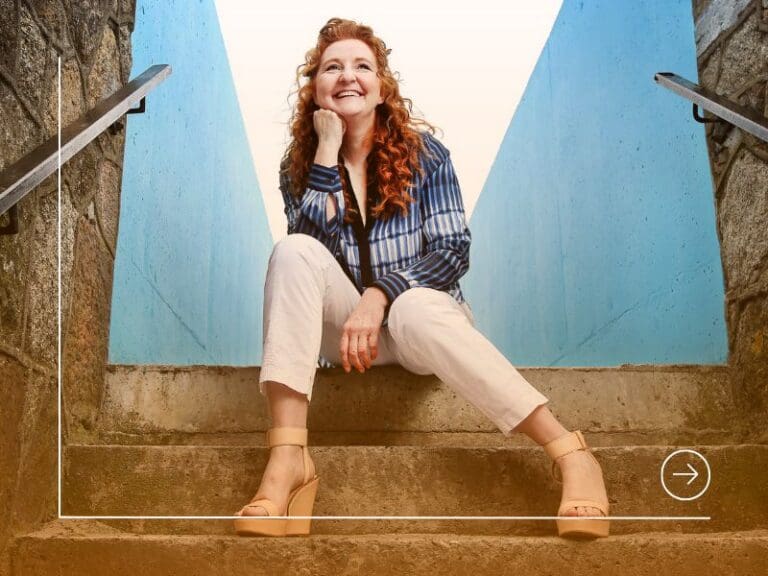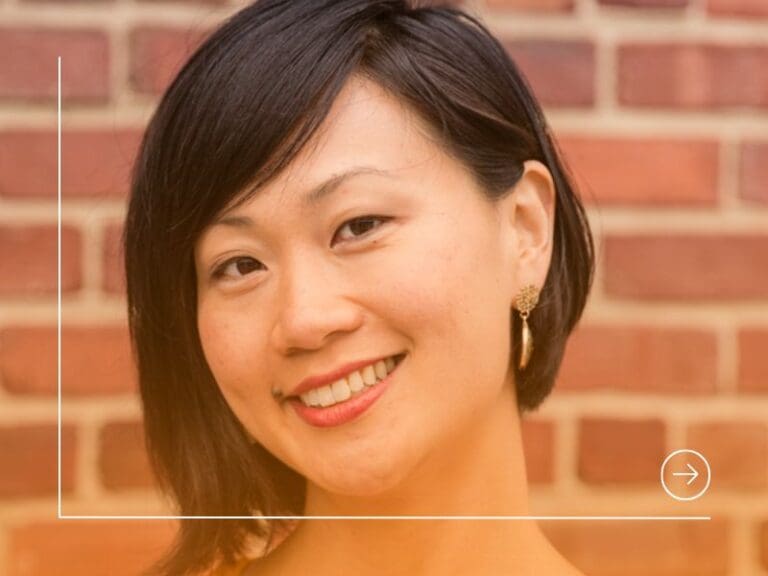

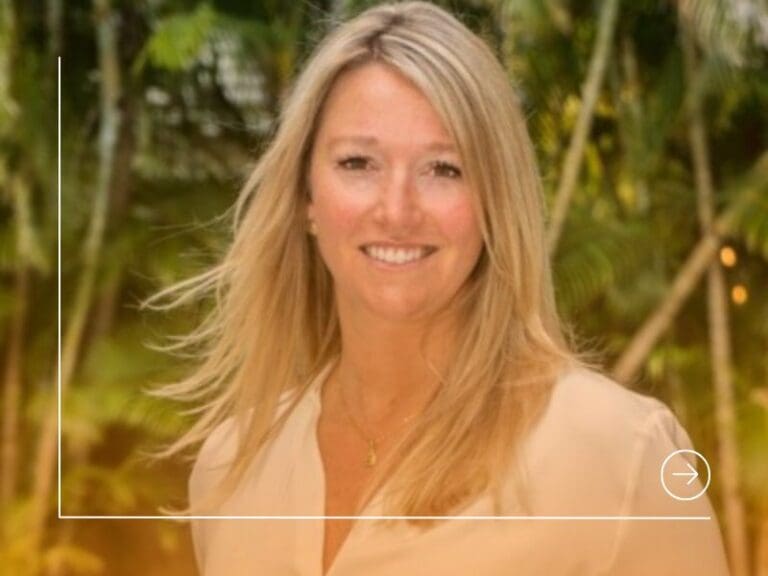
Ingrid Curtis is the CEO of Sparq, a product-engineering and AI-driven consulting firm known for its deep technical capability and outcome-focused delivery.
She began her Sparq journey in her mid-twenties, when she relocated to rural Arkansas to help rebuild a small acquisition that had no active clients and needed a fresh start. That early chapter shaped her leadership style and set the foundation for the company’s long-term evolution.
Over nearly two decades, Ingrid has guided Sparq through multiple phases of growth, including a shift into higher-value product and engineering work, private equity investment, nearshore expansion across six Latin American countries, and four strategic acquisitions that positioned the firm as an AI-first organization.
Today, she leads a global team and continues to drive Sparq’s vision of making intelligence operable at scale.
How did you land your current role? Was it planned?
I became CEO as part of a planned leadership transition. I had co-founded Sparq during its earliest chapter, and over the years I helped guide the company through major phases of growth across delivery, engineering, and AI. When the time came to formalize the next stage of Sparq’s evolution, our investors and board approved the transition, and I stepped into the role with their full support.
What are the key roles in your field of work, and why did you choose your current expertise?
I’ve always known I wanted to work in tech. I grew up during the early days of dial-up and home PCs, and I was drawn to the idea that information and possibility were suddenly open to anyone. That curiosity shaped everything that followed. I wanted to build a career where I could solve real problems with technology and eventually create a business that did the same at scale.
In consulting, the field spans roles across engineering, data, product, architecture, design, delivery, and advisory work. I started on the FDA validation side, but I knew I wanted to be deeper in the technical core of the work. I advocated for an engineering path, moved into roles that let me understand how systems are built, and eventually led teams offshore, nearshore, and onsite. That experience gave me a full view of how technology comes together and confirmed that this is where I do my best work – building, coaching, and guiding teams that use technology to create real outcomes.
Did you (or do you) have a role model in tech or business in general?
I’ve had many influences throughout my career, though I’ve never relied on a single role model. I’m a curious learner at heart, so I’ve spent years studying case studies, business books, and leaders across different industries. I’ve learned as much from great coaches and athletes as I have from executives, because the dynamics of strong teams translate directly into strong organizations. I’ve always been impressed with those that pushed the limits as innovators, servant leaders, and big thinkers. I’ve also watched a wild variety of tech CEOs over the years, paying attention to what drives progress and what slows it down. Every one of those observations has shaped how I lead today.
What are you most proud of in your career, so far?
Sparq is a special place. We’ve had meaningful wins and tough stretches as technology consulting has gone through its ups and downs, yet what stands out most to me is the people who chose to be part of this journey. I’m proud of the colleagues who stayed through thick and thin, believed in the potential of what we were building, and showed up every day ready to innovate, challenge each other, and work hard. Their commitment and resilience are the strongest proof of what Sparq can be, and it’s the part of my career that means the most to me.
What does an average work day look like for you?
After a workout, I like to start my day with a cup of coffee and a walk with our dog Ella – my husband and I travel a lot so when we’re together we’re either doing some joint daydreaming or tackling a work challenge one of us is having on our walk. If I’m by myself I’m listening to a good podcast, new book or relistening to one of my faves like “CEO Excellence” by Carolyn Dewar. During the work day I move between several elevations, sometimes talking about one specific client challenge or project, shortly followed by a large strategic discussion about the future of technology consulting. I try to balance both the strategic and the operational. But I always squeeze in time to read or learn – even if I’m just prodding ChatGPT to teach me something new
Are there any specific skills or traits that you notice companies look for when you’re searching for roles in your field?
Curiosity and strategic thinking stand out more than anything. We look for people who are lifelong learners, because staying close to the latest in technology isn’t an obligation, it’s part of the passion required for this work. Strategic thinking matters just as much. We aren’t here to write code in isolation. We solve client problems and drive outcomes, so our teams need to think beyond features and understand the bigger picture behind the work.
Has anyone ever tried to stop you from learning and developing in your professional life, or have you found the tech sector supportive?
The tech sector has certainly brought its challenges, but I’ve always been able to advocate for myself and help others see the possibilities that come with new learning. I like to think I can show people the benefits, even when the path forward isn’t obvious at first. I was fortunate to start my career at a forward-thinking firm that supported my growth directly, and those relationships are what ultimately led me to Sparq. That early support made a real difference in how I approach development for myself and for the teams I lead.
Have you ever faced insecurities and anxieties during your career, and how did you overcome them?
I was lucky to start in the startup world at a young age. I joined Sparq in my mid-twenties, and whether it was overconfidence or naivety, I didn’t feel insecure about my role or my drive to help grow the organization. I put in a lot of sweat equity in the early years and worked hard to prove myself, which I think is pretty common. That said, everyone has an inner voice that pushes and challenges them. For me, my anxieties come from how my mind works. I tend to work a problem over and over, assess every possible outcome, and try to plan for each scenario. I don’t see it as insecurity. It’s my way of being prepared and aiming for the strongest outcome.
Entering the world of work can be daunting. Do you have any words of advice for anyone feeling overwhelmed?
We often take ourselves too seriously early in our careers. With more experience, you realize the stakes aren’t as high as they feel in the moment. We all have setbacks, and I’ve had moments where I can look back and see what I should have done differently. I’ve also learned as much from the wrong decisions as the right ones. The key is to put yourself out there, prepare fully, and let the outcome follow. As a (washed up) athlete, I’ve always believed that confidence comes from preparation and repetition. Building that into your work life makes a real difference.
I remember being 22 and thinking everything would make sense once I hit 28. The truth is that the learning never stops. You keep challenging yourself, reaching for the next level, and growing through each new phase. The real fun comes from pushing yourself to new heights, and I still go through those cycles of learning and growth. It doesn’t stop after you get your 10,000 hours.
What advice would you give other women wanting to reach their career goals in technology?
First and foremost, immerse yourself in AI. It will reshape careers, and staying current will make the path forward far easier. Next, be someone people want to work with. Be helpful, stay curious, ask questions, and take on work outside your core responsibilities. Many of my opportunities came from extending my reach, and leaders notice that effort even when you’re not aware of it.
Advocating for yourself also matters. Find advisors, keep learning beyond your 40 hours, and take ownership of your development. Don’t wait for an organization to map out your next step. If you know what you want, pursue it directly.
And have fun! The best teams I’ve ever been part of – on the court or in the office – performed well because they enjoyed the work and each other. You won’t love every moment, but there should be stretches that remind you why you’re doing it and make the effort worthwhile. Along the way, take the time to learn about the diverse backgrounds and experiences of the people around you. When you approach each person with curiosity and empathy, you build the kind of trust that makes teams not just effective, but exceptional over time.