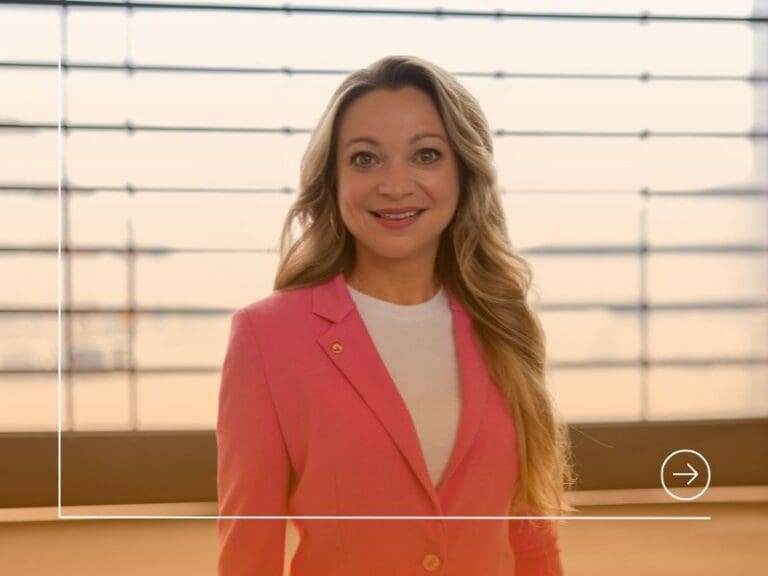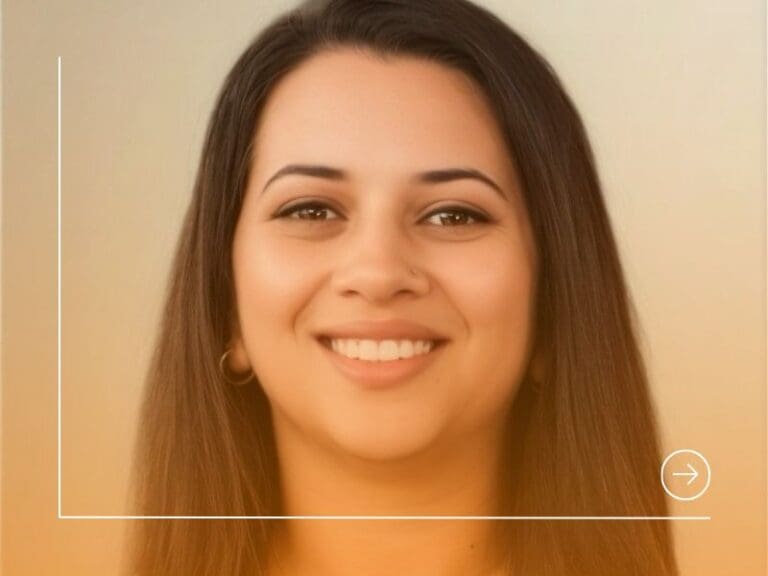

Yana Welinder is Head of AI at Amplitude, joining through the acquisition of Kraftful, the AI-native startup she founded and led as CEO.
Kraftful, which served more than 60,000 product teams and was recognised as one of Fast Company’s Most Innovative Companies, helps organisations turn user feedback from every channel into clear product insight. Yana previously led product at fast-growing tech companies, received the 2025 Top CPO Award from Products That Count, and is an alumni of Harvard and Y Combinator.
How did you land your current role? Was it planned?
Becoming Head of AI at Amplitude was not the result of a strict plan, but it also was not accidental. As one of the first adopters of large language models, I built Kraftful with the mission of helping product teams build better products by making sense of their user feedback. As we grew rapidly, our proprietary AI solution attracted interest from a number of acquirers.
During our M&A process, we spoke with more than ten companies, but Amplitude stood out from the beginning. Even before any acquisition discussions, we had already been using Amplitude internally because it consistently delivered the strongest insights. The product quality, the care in the design, and the way the company thought about solving customer problems aligned closely with how we built Kraftful.
I never set out thinking I needed to become Head of AI at a public company. I simply followed the direction that mattered most to me: building delightful products that solved real customer pain points. The role at Amplitude was the natural next step in my journey.
What are the key roles in your field of work, and why did you choose your current expertise?
For me, the throughline has always been a blend of design and AI. I have long been drawn to well crafted, intuitive experiences and to using technology to simplify genuinely painful workflows. Early in my career I explored this at the intersection of law, policy, and UX, looking at how thoughtful design could sometimes help users more than complex regulatory frameworks.
That interest gradually evolved into building AI powered products, first as a product manager and then as a founder. Leading AI at Amplitude is really a continuation of the same passion, which is using AI to strip away noise and help teams understand what their users actually need.
Did you (or do you) have a role model in tech or business in general?
There is no single role model for me, but I would say a number of people and experiences have shaped how I work.
Growing up around architects, including my mother and grandmother, I saw how much craft and intention goes into designing something people actually use and live with. That influenced my thinking long before I entered tech.
Later, I learned a lot from other fellow founders. who built companies in demanding circumstances, including those who raised capital or scaled teams while raising young children. I’ve been particularly inspired by the members of VC-Backed Moms and GenAI Founders, two founder communities that I co-founded with a few friends. Seeing peers navigate fundraising, pivots, AI adoption, and family life at the same time is grounding.
What are you most proud of in your career so far?
Founding Kraftful and growing it into a product used by more than 60,000 product builders is something I am incredibly proud of. I led Kraftful through exceptional times with multiple macro-economic issues and navigated several pivots until finally reaching product market fit. I am also proud of the outcome of that journey. Being acquired by Amplitude allowed us to integrate Kraftful’s capabilities directly into a platform used by companies around the world. Combining what users say with what they do creates a more complete understanding for product teams, and scaling that impact feels meaningful.
Beyond that, buildingVC-Backed Moms and now serving as a board member of the non-profit that supports the community has been a rewarding part of my work. The VC-Backed Moms Community gives female founders a place to share knowledge and support each other in an industry that doesn’t always provide those structures by default. Having raised three rounds myself while building Kraftful, I know just how challenging that journey can be for female founders, particularly if you also have small children.
What does an average work day look like for you?
Much of my time is spent at the intersection of AI, product, and customers. That might involve working with teams to design or refine AI-powered features, reviewing how our agents and models are performing, or figuring out how to embed AI into existing workflows in a way that genuinely helps teams rather than adding friction.
A significant part of my role involves listening to customers and product leaders. Since my work centres on making messy feedback clear and actionable, I spend time understanding where teams struggle and how we can help them interpret signals they might otherwise miss.
There is also a cultural element. Helping teams learn how to work with AI, not just use it, is important. That includes internal training, experimentation sessions, and shaping how we think about accountability and human AI collaboration across the company.
Are there any specific skills or traits that you notice companies look for when you’re searching for roles in your field?
Clear thinking and communication are essential. Whether you are a product manager, founder, or AI lead, you are constantly taking in large amounts of information and need to distil it into something actionable.
Empathy is also important because really tuning into what people are experiencing helps you build for them in a way that’s actually useful.
Staying curious matters just as much. Curiosity keeps you experimenting, asking better questions, and noticing the signals others overlook. It’s the mindset that pushes you to explore new ideas, challenge assumptions, and keep leveling up no matter how much experience you have. It’s particularly important in the rapidly evolving age of AI.
Has anyone ever tried to stop you from learning and developing in your professional life, or have you found the tech sector supportive?
No one has ever directly told me I could not grow, but many of the challenges are more systemic. Fundraising is an example. Female founders often face more scepticism and have to prove themselves in different ways. That discrepancy is most visible with investors as only 2% of VC funding goes to female founders. It is far less present among other founders and operators, who tend to recognise the problem you are solving.
At the same time, I have found the tech sector to be supportive in many ways. Y Combinator alumni, founder communities, and the teams I have worked with have all been important sources of learning and encouragement. Communities like VC-Backed Moms and GenAI Founders were created partly to fill gaps that traditional support structures do not always meet.
So it is a mix. There are barriers, but there are also networks actively working to counter them.
Have you ever faced insecurities and anxieties during your career, and how did you overcome them?
Building a startup through a pandemic, multiple pivots, market crashes, and an intense M&A process brings plenty of moments of doubt. What helped me most was returning to the core question of whether we were still solving a real and important problem. Also, whenever the external noise felt overwhelming, speaking to customers provided clarity. Many key turning points came from conversations where people immediately understood the value of what we were building.
Having a strong community around you also made a huge difference. Talking to others who were facing similar challenges helped put things in perspective and reminded me that most difficult moments are not unique.
Entering the world of work can be daunting. Do you have any words of advice for anyone feeling overwhelmed?
One lesson from my own career is to treat your career a bit like a product. When I was a lawyer, I was doing well on paper, but I was not excited by the work. I taught myself how to code in the evenings and built my first product shortly right out of school. But it still took time, and a significant pivot, to realise that success in the wrong field does not feel like success. I wish I had taken the leap earlier.
If you are feeling overwhelmed at the start of your career, give yourself permission to experiment. Try adjacent roles, small projects, or environments where you can test what you enjoy. Practical experience will teach you far more than theory.
You don’t need a 20-year plan. You just need a clear enough next step and the willingness to adjust as you learn more.
What advice would you give other women wanting to reach their career goals in technology?
It is important to be honest about the landscape. As a woman, and especially as a female founder, you may need to prove yourself more in certain environments. You cannot control that entirely, but you can control how well you understand your own strengths and the value you bring.
Knowing the specific problem you are solving and being clear about your contribution helps you stay grounded through external scepticism. Being an underdog can feel daunting, but it can also be motivating. Many of the strongest founders I know built their companies while navigating demanding personal circumstances, and still shipped, still raised, and still grew. Hard mode is not impossible mode.