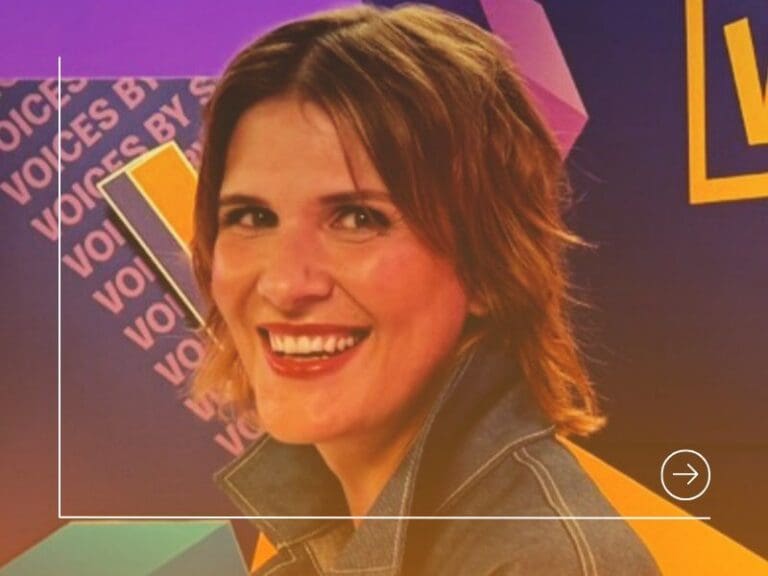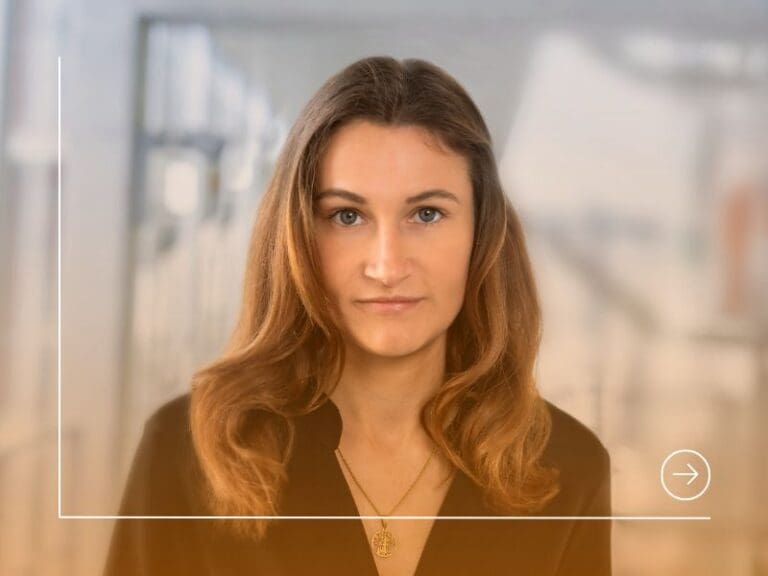
Sandra Wagner works at the intersection of AI, cloud technology and connected products.
As the founder of AuraVeo, born within Koenig & Bauer, a 200-year-old pioneer in manufacturing, Sandra helps brands worldwide transform physical packaging into intelligent media channels and consumer experiences and this is something she is really passionate about. By blending storytelling, real-time interaction and AI-powered interfaces, they are shifting products from static items into interactive, intuitive companions.
How did you land your current role? Was it planned?
Not fully. Although my compass has always pointed toward tech, my path did not follow a straight line, and I am infinitely better for it. I actually began my journey studying human medicine and had to drop out after I became a single mother at the age of 20. Navigating that reality forced me to grow up fast and adapt quickly. I entered tech just as the personal computer era was exploding, joining HP in the mid-90s and since then, my roles have always been strongly connected to IT and emerging technologies, especially AI and digital interaction.
Back in 2018, I started working on one of my first prototypes: a digital twin combined with augmented reality and conversational interfaces. At the time, many people were unsure whether this was really the future or just a passing gimmick, and honestly, I wasn’t entirely sure either. I just had a gut feeling that connected physical products would eventually become important.
That prototype became the foundation for what I do today. Looking back now, I’m incredibly glad I trusted that early instinct.
What are the key roles in your field of work, and why did you choose your current expertise?
A big part of my work revolves around large language models (LLMs), cloud technologies and intelligent product interaction. But what truly fascinates me isn’t the code itself, it’s the human application. I love exploring how products and packaging can use these technologies to create genuinely better experiences for consumers – whether that’s verifying a product’s authenticity, simplifying ingredient transparency, or guiding a user through a tutorial via an intuitive chat. I’ve always been drawn to the exact point where complex technology becomes invisible, natural and genuinely useful for people.
Did you (or do you) have a role model in tech or business in general?
I admire people who think outside the box and who see opportunities where others might only see obstacles. I’ve been lucky enough to meet with a few of these minds throughout my career, and the conversations I’ve had with someone who thinks and approaches work and life in a non-linear way have often reshaped my own thinking and my strategic worldview today.
What are you most proud of in your career so far?
You might expect me to say launching a global tech platform backed by Google and Deloitte, or speaking on stage at Google Next and Salesforce Dreamforce, but honestly, it’s the relationships.
I am incredibly proud that colleagues, team members and partners who I worked with years ago still reach out to me today. Sometimes, it’s for strategic advice, sometimes for a reference or simply as someone who listens. In a hyper-paced industry driven by algorithms, it’s a beautiful reminder that behind all the technology, human connection is still the most valuable asset you can ever build.
What does an average work day look like for you?
It’s a high-velocity mix of high-level strategy and operational reality. A typical day involves bouncing between creative brainstorming sessions, deep dives into the latest AI capabilities, and client discussions with global FMCG brands, and corporate governance. Then, of course there’s also the less glamorous side of leadership: admin work, managing an overflowing inbox and trying to create enough quiet space to think.
As a writer, I know that creativity requires space. If your calendar is 100% full, your vision goes blind. I have to actively fight for that quiet time to keep our next big innovations moving forward.
Are there any specific skills or traits that companies look for in your field?
Adaptability has become incredibly important and is what keeps you in the room. Right now, with AI becoming part of more workflows and products, skills like critical thinking, orchestration, communication and collaboration are becoming even more valuable than before. Technology changes in the blink of an eye so the ability to learn, unlearn and adapt, matters just as much as technical expertise itself.
Has anyone ever tried to stop you from learning and developing in your professional life, or have you found the tech sector supportive?
Overall, I’ve actually experienced the tech sector as very supportive. Of course, there have also been moments where people had very different perspectives from mine, and this is something you will always encounter. Sometimes a dissenting voice grounds you in a healthy way, and other times it can slow things down. Learning to distinguish between a constructive critic from a roadblock was easily one of the most liberating and important lessons in my career.
Have you ever faced insecurities or doubts during your career, and how did you overcome them?
Absolutely. I think imposter syndrome is something we all experience, especially the classic questions: “Is this really the right direction?” or “Am I making the right decision?”
What helps me is asking myself two things: “What happens if I don’t do it?” and “Will this still matter in twelve months?”
That usually helps me separate temporary fear from genuinely important concerns. Insecurity. doesn’t mean you aren’t capable, and they can sometimes be useful. Very often they are a sign that you may have overlooked something, need another perspective or simply need a bit more time to think things through. Doubts can be incredibly useful indicators that you just need another perspective or a little more data before leaping.
Entering the world of work can feel overwhelming. What advice would you give to someone struggling with that transition?
Take yourself seriously and give yourself time to adjust. Often, feeling overwhelmed has less to do with capability or potential, and more with a physiological reaction to a new environment, new stress levels, and digital overstimulation. It’s completely okay to listen to your own needs – sleep, routine, and mental boundaries matter.
And most importantly: talk about it. Especially when starting your career or entering a new role, there’s an immense pressure to look like you have it all figured out. Sharing those feelings with people close to you, peers or a mentor can reduce that pressure. Honestly, even as CEO I still have to remind myself of that from time to time as well.
What advice would you give to other women wanting to build a career in technology?
Do not hesitate for a second -jump in! Tech is one of the most exciting and dynamic spaces to work in right now, and we need more diverse, grounded voices driving the narrative.
My advice to women entering tech is to bring your whole humanity to the table. Don’t leave your empathy, your creativity, or your unique life story at the door. Use technology to build things that matter, carry the responsibility to ask the harder questions, and above all, enjoy the ride. You constantly learn new things, meet and work alongside incredibly smart people and brilliant minds, and, in many ways, you get a literal hand in helping to shape the future.