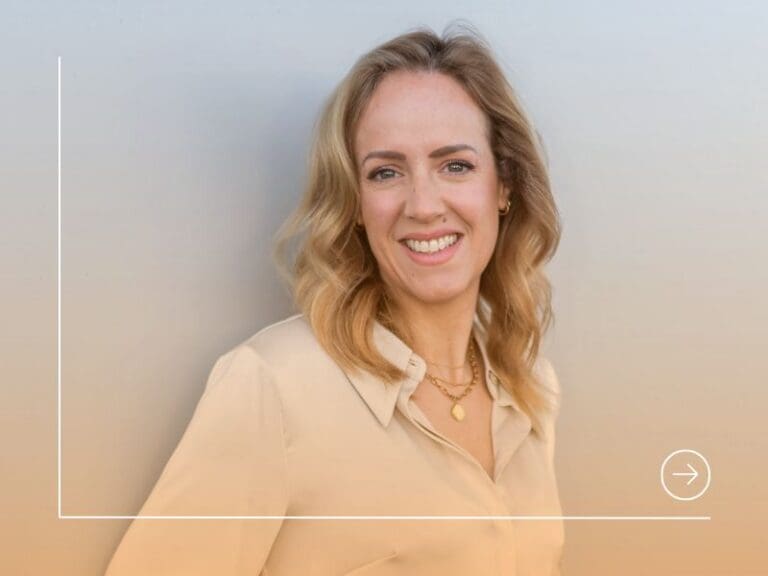


Liz Blackman, is the CMO at Avantra where she leads global marketing strategy for the company’s AIOps and SAP automation platform.
How did you land your current tech role? Was it planned?
While my path to my current role as CMO at Avantra has been anything but linear, it’s been intentional. Though I didn’t necessarily map out “CMO of a global AIOPs” company on a vision board, I have spent most of my career in B2B software, naturally gravitating towards opportunities where marketing wasn’t viewed as simply the “building’s wallpaper”, but actually part of the “building’s core structure”: helping decide where we’d go, how we’d grow, and how we’d tell that story to the world. Naturally, Avantra was a perfect fit. Here was a strong tech company in the middle of a big shift—product, brand, go-to-market—all ready to be reimagined on a global scale for the next decade, not just the next quarter.
What are the key roles in your field of work, and why did you choose your current expertise?
Marketing in the tech space is a bit like an orchestra. You have these various sections—brand, product marketing, demand generation, customer and partner marketing—and when one or more of these sections are out of sync, all one hears … and sees … is noise.
Understanding and devising how all the above work in concert together—standing at the “conductor’s podium” where product, story and revenue meet—is what I enjoy most. Constant collaboration and the “continuous feedback loop” from the GTM teams marketing supports is vital. Partnering with product and engineering tightly to develop deep understanding, then translating it into a message that truly resonates with customers and the market. I’m wired as a problem solver, and GTM is essentially structured problem solving. We constantly ask, “What are we building, who is it for, what problem are we really solving, and how do we engage the audience in the most deliberate, meaningful way?” If someone says, “We can’t position this,” or “This market is too crowded,” my mind immediately begins brainstorming alternate routes. For me, successful modern marketing leadership is constant, structured improvisation in response to moving targets.
Did you (or do you) have a role model in tech or business in general?
Cliché I know, but the most influential role models who shaped who I am personally and professionally are my parents. My parents made it abundantly clear to me that women can do anything—have careers, raise families, join the armed forces, change industries. You can change your mind, course correct, or even start over in an entirely new arena if needed. None of these things is mutually exclusive.
In my career, I’ve been enormously lucky to have both male and female leaders who played the role of quiet accelerators. These leaders combined strategic clarity with genuine care for their teams and customers. With high expectations, they allowed me to take on difficult tasks in uncharted territories and gave me the “rope” I needed to professionally grow, literally lending me their confidence until mine could catch up.
I’ve also been shaped by negative leadership as well, those who confuse volume with vision and at the expense of their most valuable possession—their people.
What are you most proud of in your career so far?
I’m proud of brands we’ve repositioned, categories we’ve clarified, and GTM engines we’ve rebuilt from “random acts of marketing” into something intentional. But I would say I am most proud of the unique “orchestras” of people I’ve curated and led to achieve those successful outcomes together.
Empowering people to grow into new roles, take on big launches, or step into new leadership positions they didn’t initially think they could handle is the most rewarding aspect of my role. At the end of the day, organisations are powered by people—and those people have families and friends and lives that matter. If a company achieves growth, but their employees don’t, that’s not success to me.
What does an average workday look like for you?
Oddly enough, this has been one of the harder questions to answer because no two days are identical, but there’s definitely a pattern. With global teams and wide-ranging time zones, “Calendar Tetris” is an art form that must be mastered to be respectful of one’s work-life balance. Considering all the plates CMO’s have spinning in their GTM engine, it’s imperative to have regular 1:1s across marketing, sales, product and customer success to ensure everyone is continuously rowing in the same direction. And somewhere in there, protecting time to think is paramount.
Are there any specific skills or traits that you notice companies look for when you’re searching for roles in your field?
At a senior marketing level, I think organisations today look for a few traits consistently. Commercial fluency is a key trait for marketing leaders today. A tech marketing leader needs to own and speak to revenue and margin as comfortably as brand and creative. Cross-functional credibility is key for GTM to truly scale and sales, product and CX need to see their marketing leader as a “partner in crime” vs a siloed, separate function. They’re also looking for what I’d call emotional ballast. Tech companies live in a constant weather system of change—new products, new competitors, new market shocks. A good marketing leader doesn’t add to the chaos. Organisations today expect options, trade-offs and a clear recommendation from the GTM leaders.
In your experience, is the tech sector supportive to women entering the field?
Tech is more supportive than it used to be, and yet still less supportive than it ought to be, in my opinion. It is true there are more women in visible, global leadership roles now, and there are more open conversations about flexibility, burnout and equity. But progress has been and continues to be slow in this area. I remain optimistic because these trailblazers have shown and continue to show how undeniably well women lead once given the chance. Our call to action now is less about proving our capability to lead, it’s about widening access and opening more doors in this space for women. Sponsoring women in tech and developing leadership teams who really understand that diverse perspectives produce leadership teams who make better decisions and build better products.
Have you ever faced challenges during your career, and how did you overcome them?
I don’t know a single woman in tech who could honestly say “no” to that question. There’s the constant challenge of marketing unfortunately typecast as a cost centre rather than a growth engine, which can and does disrupt team morale and productivity. There are times when forces out of your control such as COVID, economic unrest, or especially in my case, technology disruption can almost dismantle a well-planned GTM almost overnight, causing team burnout and negatively affecting growth. It’s in these moments where your instincts either go numb or sharpen. Strong individuals and teams sharpen, pivot as a collective and cascade communications quickly across the organisation to align on and support changes in GTM direction.
Entering the world of tech can be daunting. Do you have any words of advice for anyone just starting out and feeling overwhelmed?
You don’t need a 20-year plan all mapped out. Remember you are allowed to grow into things. Very few people start a new position fully “ready.” Choose challenging roles where you know you’ll expand your skills vs ones that match your skills. There are no dumb questions. Ask questions unapologetically to your colleagues and mentors to gain real world knowledge and benefit from their experiences and expertise. Most of us grow into our biggest roles on the job, not before it.
What advice would you give other women wanting to reach their career goals in technology?
Don’t be afraid to say what you want out loud. Don’t wait for someone to tap you on the shoulder and declare you “ready” for your next step. Tell your manager, tell your mentors, tell the people who can open doors for you. It’s much easier to sponsor someone whose destination is clear.
Be deliberate about where you spend your time and energy. Our time is incredibly precious, and so much of it is spent in the workplace. The right environment—one that values your mind, respects your life, and backs your growth is non-negotiable. You are not a passenger, and you can course correct. Approach leading opportunities with kindness and empathy, and high standards. People do their best work when they feel both respected and challenged.
And while I do believe my parents were right and that women really can do it all—we were never meant to do it all alone. Prioritise building your network. Support other women. Ask for help. And when someone insists something can’t be changed, consider it your invitation to begin sketching out options A, B, C and D. That’s often where real leadership begins.