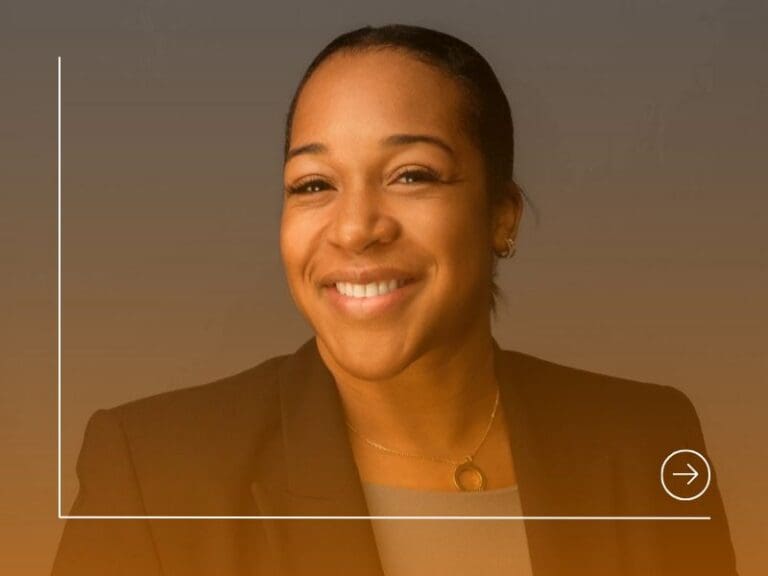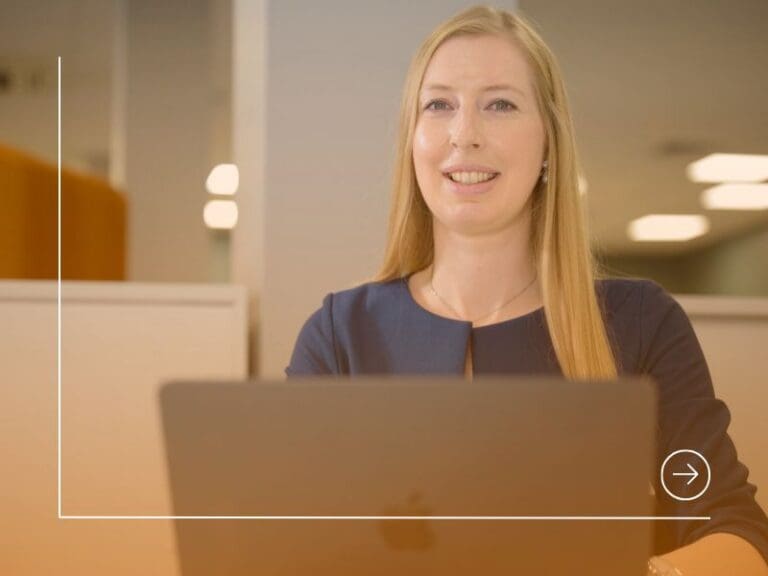

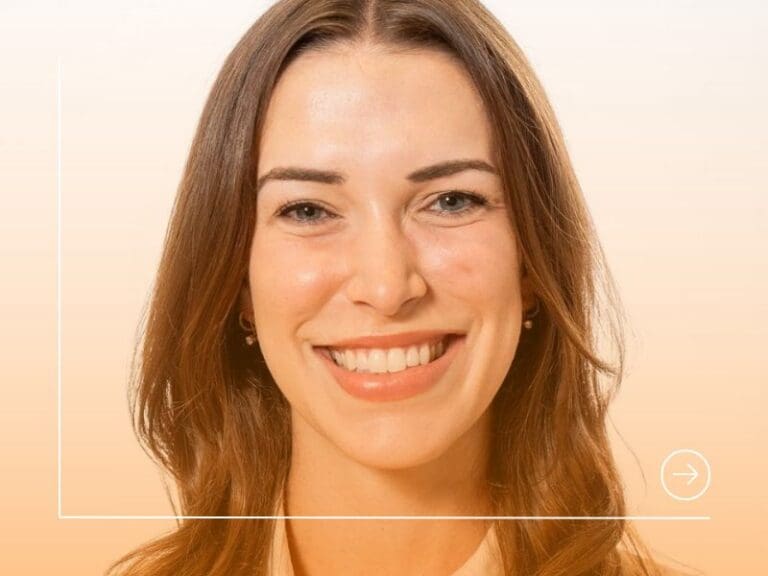
Jessica Woodis is an American who built her career in New York, took a leap, and moved to Milan to pursue her MBA at SDA Bocconi School of Management with the goal of expanding her career internationally.
Jessica now works in Customer Success at Cassandra, a marketing mix modelling start-up, working with brands and agencies across Europe, North America, Asia, and Australia.
Her job sits at the intersection of data and relationships, helping clients understand what their marketing is actually doing and, more importantly, helping them act on it.
How did you land your current role? Was it planned?
I was actively interviewing towards the end of my MBA, putting in the work and targeting opportunities across Europe, but I definitely didn’t expect to find something this well-suited in Milan. I was finishing up a final internship at a start-up called Vivaio Ventures when I came across a TikTok industry event in London on LinkedIn. One of the companies featured was Cassandra. I looked them up, realized they were building a marketing measurement platform founded right here in Milan, and just cold-emailed them through their website.
The timing was almost too perfect. I’d spent several years in New York at TransUnion working in marketing mix modelling, so I already knew the space well. Cassandra needed someone who could translate complex measurement outputs into real client decisions, which was exactly what I’d been doing.
The lesson I took from it: stay curious, follow the threads. Your next opportunity might be sitting in a LinkedIn event listing you almost scrolled past.
What are the key roles in your field of work, and why did you choose your current expertise?
Marketing measurement sits at the crossroads of data science, strategy, and client relationships. The key roles span the full stack: data scientists and R&D teams building the underlying models, customer success leads translating those outputs into actual decisions, product managers shaping how the tools evolve, and sales teams bringing the right clients in.
I chose the client-facing side because I genuinely love both parts of it, the data and the people. I get to dig into what’s actually working in a client’s marketing mix, develop recommendations, and then work through how to get those recommendations trusted and acted on. That last part is honestly the hardest part of the job, and the most interesting. Data without action is just a pretty dashboard.
What I also love about my role now is being involved in shaping what Cassandra builds next. I sit between the clients and the product team, so I’m constantly bringing in real feedback on what would actually make a difference for the people using it every day. It makes the work feel meaningful beyond just the client relationships.
Did you (or do you) have a role model in tech or business in general?
Yes, and mine isn’t someone you’d necessarily find on a Forbes list, but he’s had more impact on my career than anyone.
Mark Costa has been my mentor ever since I worked under him in my first job out of college. What stood out immediately was his work ethic, his class, and how deeply he knew his field. He’s built an incredible career, reaching C-suite at JCDecaux in New York, having come from India and worked in San Francisco along the way, all while continuing to push the envelope in the out-of-home advertising space and never stopping his own learning.
But what I appreciate most is that he never had to keep investing his time in me after I moved on. And yet all these years later, I still feel like I can pick up the phone and call him. When I was deciding whether to leave my stable New York career and move to Milan for my MBA at SDA Bocconi, a huge leap that most people around me thought was a little wild, Mark was one of the people who told me to go for it.
That kind of leadership leaves a mark on you. The goal I’ve set for myself is to do for others what he’s done for me, to keep showing up for colleagues and friends even after our paths diverge, and to be the kind of person people feel they can still reach out to years later.
What are you most proud of in your career, so far?
Taking the leap and continuing to challenge myself along the way.
For as long as I can remember I had this pull towards working internationally that I just couldn’t shake. Pursuing my MBA in Milan felt like the right way to actually do something about it: get my foot in the door, build a network, and gain real experience across different markets and cultures. A lot of people are surprised to meet an American who left New York for Europe. But for me it felt less like a risk and more like something I had to try.
New York is one of the most competitive cities in the world and working there gave me a strong foundation. I figured if I could navigate that, I could figure out a new city too. The MBA at SDA Bocconi brought me into a cohort of people from 37 countries with wildly different backgrounds and careers, and I learned so much from being surrounded by so many different working styles and perspectives, all while staying true to who I am.
After a lot of hard work and a little bit of luck, I found a reason to stay: a company doing work I actually believed in, that challenges me every single day.
I’m proud of the risk. Not because it worked out, but because I took it without knowing it would. And I hope I never stop pushing myself the same way.
What does an average work day look like for you?
No two days look exactly the same, which is honestly one of my favourite things about this job.
At a high level I’m balancing three things: client delivery, client relationships, and internal strategy. On the delivery side I’m building out insights and recommendations based on our models, helping clients understand what their marketing is actually doing and where they should be shifting budget. On the relationship side it’s a mix of presenting those findings, educating clients on measurement more broadly, and making sure they feel confident enough to act on what they’re seeing. And internally I’m thinking about the health of my accounts, what’s coming up for renewal, where there are growth opportunities, and feeding back to our product team on what clients actually need.
And in the Milan office, coffee breaks and lunch together are non-negotiables.
Are there any specific skills or traits that you notice companies look for when you’re searching for roles in your field?
The technical foundation matters. You need to understand marketing measurement concepts, be comfortable with data, and know how to interpret model outputs. But honestly, what separates people in this field is communication.
Being able to take something complex and explain it clearly to someone who doesn’t share your background, a CMO, a media planner, a brand manager who’s never heard of marketing mix modelling, that is the real skill. And it doesn’t come naturally to everyone who’s technically strong.
Beyond that, I’d say intellectual curiosity and adaptability. This space moves incredibly fast and you have to stay on top of it. I also think people who can hold both the big picture and the detail at the same time tend to thrive, knowing when to go deep into the numbers and when to zoom out and talk strategy.
And honestly? Hustle. Especially at a start-up, the people who do well are the ones who figure things out and keep moving, even when the answer isn’t obvious.
Has the tech sector been supportive of your development?
Yes, genuinely. When I was leaving New York to do my MBA, colleagues I’d worked alongside for years went out of their way to stay in touch, make introductions, and cheer me on from afar. I didn’t expect that level of support, and I really don’t take it for granted.
What excites me most about the tech space right now is the pace of it. New platforms, new products, new tools: things are being built and released constantly, and the efficiency gains from AI alone have completely transformed what’s possible in just the last couple of years. It keeps you on your toes, but it also means there’s always something new to learn, which I genuinely love. For people who are curious and adaptable, it’s a really exciting time to be in this industry.
The culture does vary a lot by company, so choosing the right environment matters as much as choosing the right role. But in my experience, the people willing to share knowledge and open doors have far outnumbered the ones who aren’t.
Have you ever faced insecurities and anxieties during your career?
Definitely, and I think it would be strange not to. Moving countries without speaking the language, without a local network, and without a job lined up on the other side is a lot to take on.
There were absolutely moments where I questioned whether I’d made the right call. I’d had a successful career in New York and understood that the job landscape in Europe is quite different. The MBA at SDA Bocconi moved fast, the stakes felt high, and I was surrounded by incredibly accomplished people from all over the world, which is inspiring and intimidating in equal measure.
What helped me most was focusing on what was in front of me and reminding myself that everyone is on their own path. There’s no perfect formula. It’s about taking the opportunities in front of you and continuing to challenge yourself. I genuinely couldn’t be happier that I did!
Entering the world of work can be daunting. Do you have any words of advice for anyone feeling overwhelmed?
First of all, how exciting! You are about to meet so many incredible clients, brands, and colleagues, and the opportunities ahead of you are truly endless. The best part? You don’t need to have it all figured out from day one. Enjoy the ride.
Imposter syndrome is real and completely normal, but I promise you everyone feels it. Nobody knows exactly what they’re doing, we’re all figuring it out as we go, and if you’re lucky you’ll find some great people to help you along the way.
Stay curious, hustle, and be genuinely kind to people. You don’t need to know exactly where your career is going to end up, and honestly that’s the fun of it. Some of the best opportunities come from the most unexpected places, and the direction your career takes might surprise you in the best possible way.
Don’t try to solve everything at once. Take it one day at a time and don’t be afraid to ask for help. That’s not a weakness, it’s the smart move.
What advice would you give other women wanting to reach their career goals in technology?
Take the leap. It doesn’t have to be moving countries, but say yes to the things that scare you a little. The opportunities that push you out of your comfort zone are almost always the ones that shape you the most. I never would have imagined ending up in Milan working with clients across the world, and it happened because I was willing to try something that felt uncertain.
Hustle and be kind. Those two things together will take you incredibly far. Work hard, show up, and treat everyone with respect along the way. Always leave on good terms. The tech and marketing world is smaller than you think and the people you meet early in your career have a way of showing up again later in unexpected and wonderful ways.
And know your worth. The tech space can feel intimidating but your perspective as a woman is valuable and important. Don’t let anyone make you feel otherwise. You don’t need to have it all figured out to take up space in this industry. The people who get there are the ones who go for it anyway.