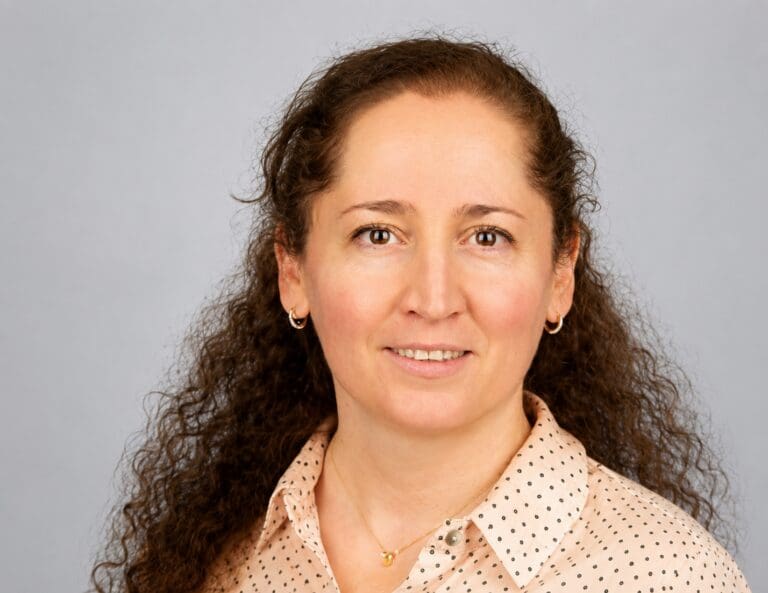

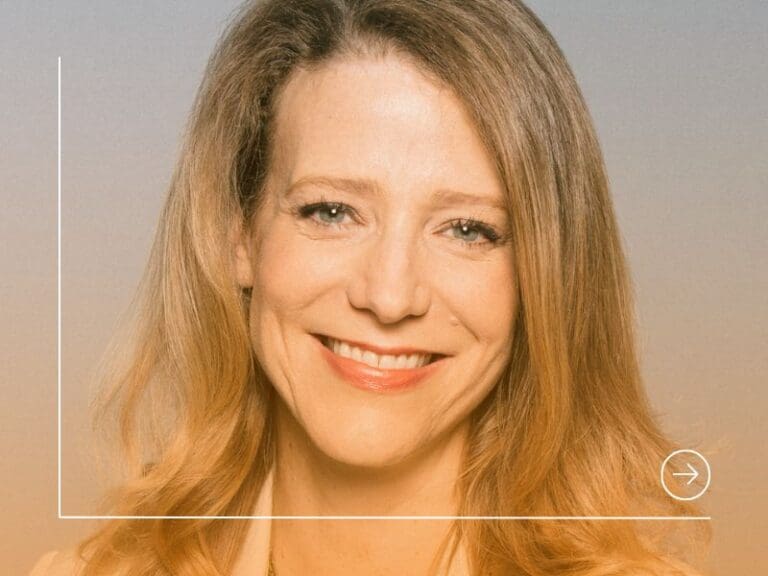
Wendi Sturgis is Senior Vice President, International at Yext, the leading brand visibility platform.
She has spent over two decades leading technology and e-commerce companies through rapid change, including senior roles at Yahoo!, Oracle, and Gartner, and CEO tenures at cleverbridge and Yext Europe. Notably, Wendi played a pivotal executive role during Yext’s formative early growth years and has an impressive technical background from Georgia Institute of Technology.
How did you land your current role? Was it planned?
I’m actually a Yext boomerang, having first helped build and establish Yext in its early growth years between 2011 and 2022.
I rejoined the organisation in my current role as Senior Vice President, International last year. I’d seen how ahead of the curve Yext was in the age of AI search with its knowledge graph and AI capabilities. That kind of forward thinking inspires me, so it felt like the right time to return. With AI search now central to how brands compete, it’s an exciting time to be helping customers across EMEA shape the next chapter of digital transformation.
What are the key roles in your field of work, and why did you choose your current expertise?
Helping companies anticipate change and lead innovation has been a common thread throughout my whole career. In my executive roles at Yahoo!, Oracle and Gartner as well as the fast-scaling startups I’ve led, being able to stay ahead of market shifts and customer needs has always been a crucial element of the role.
My current role is focused on helping organisations turn emerging technologies into a real competitive advantage, especially when it comes to navigating brand visibility in AI search. It’s a perfect fit for me, as I’m customer obsessed! No two days look the same, but they are always grounded in helping our customers stay ahead in this next era of digital.
What are you most proud of in your career, so far?
I’ve always been deeply committed to driving diverse opportunities within the technology sector, which is something I’m incredibly proud of. I’m involved in Girls Who Code and the Georgia Tech Foundation, where 75,000 graduates have now had exposure to working in a start up by the time they graduate. I believe that girls need to feel entitled to learn new skills and these sorts of innovative programmes are crucial to giving them this freedom.
What does an average work day look like for you?
While no two days are the same, our work centres on helping brands increase their visibility online. That means I spend my days speaking to CMOs and CIOs across retail, hospitality, financial services and healthcare about their data and content strategies, and its influence on traditional and AI search.
As AI search grows, we’re seeing a growing number of queries from multi-location brands that need to maintain a consistent digital presence and remain discoverable in the era of GEO. Our analysis of millions of AI citations shows that 86% come from sources brands already own, making owned channels the most effective way to maximise AI visibility.
Our daily priority is therefore focused on helping customers use our platform to gather insights and optimise their online assets, such as websites, listings and reviews, so they show up in AI search and AI-generated responses in a trusted, consistent way that outpaces competitors.
Are there any specific skills or traits that you notice companies look for when you’re searching for roles in your field?
I’ve noticed that technology and data fluency are no longer optional skills when it comes to our industry. Data is now fundamental to every area of business operations, meaning that these skills are becoming core requirements across departments. For example, I recently heard of marketing roles requiring knowledge of Python.
We’re reaching a stage where even if your role isn’t in data science specifically, there’s still an expectation for literacy in AI. I’d recommend for all women to get to grips with the basics, because if we don’t understand how AI systems work, we can’t get into the room to shape outcomes.
Has anyone ever tried to stop you from learning and developing in your professional life, or have you found the tech sector supportive?
Throughout my computer science career, I’ve seen both myself and other women impacted by the myth of the ‘male genius’ in technology – a culture that gives some people far more leeway to fail, while holding others to a much higher standard. In that environment, women are conditioned to believe that if we’re not going to be the best at something, we don’t belong.
While I have been lucky to be surrounded by supportive teams and individuals throughout my career, I still believe that most companies have not had the right systems in place for this myth not to disproportionately hold women back. I think organisations and education systems need to do more to support women and ensure AI literacy at every level, age and gender as it redefines our workforce.
Have you ever faced insecurities and anxieties during your career, and how did you overcome them?
Absolutely. Working in the tech sector, I quickly realised that data science is the future and I would need to develop my skills to be able to confidently speak the technical language of the other male executives. It was something outside of my comfort zone, but I knew I needed to get over this fear or I’d fall behind.
I enrolled in a course at MIT and learnt to code later in my career. I won’t pretend it was easy and I’m still not the best coder. I was one of a handful of women on my course, but we need to rewrite the myth that if it’s not natural then you shouldn’t try to learn it. I changed my life by learning Python, because the skills I learnt at MIT armed me with the technical knowledge I needed to confidently hold my seat in the boardroom.
Entering the world of work can be daunting. Do you have any words of advice for anyone feeling overwhelmed?
When it feels tough, my advice is to take everything step by step and power through. Change doesn’t happen overnight, but you will eventually reach small milestones and breakthrough moments where you feel so proud for achieving things that you didn’t think you could do.
What advice would you give other women wanting to reach their career goals in technology?
Have confidence in yourself! If you want to build a career in technology, don’t let doubt hold you back. Women have been excluded from much of computer science and technology to date, and we cannot afford for this to continue with AI. Learn new skills, experiment, and if you fail – try again.
Did you (or do you) have a role model in tech or business in general?
I have had so many, too hard to name just one. I have a board of advisors who are such a huge part of my life. Everyone should strive to have a sounding board. Mine consists of people from my industry – including people I deeply respect, both male and female, old bosses, and people I have never worked with.